How to Cultivate a Gorgeously Green Garden

Eco-friendly gardening amplifies what nature has already perfected. Working with the flow of the seasons, let your imagination run wild, and cultivating a green garden will be a satisfying, thrilling, and therapeutic experience. With a bit of planning, persistence, and intuition, your earth-friendly garden can become your outdoor sanctuary for years to come.

Here are some tips to cultivate a gorgeous green garden in your very own backyard.   

Plan Your Garden

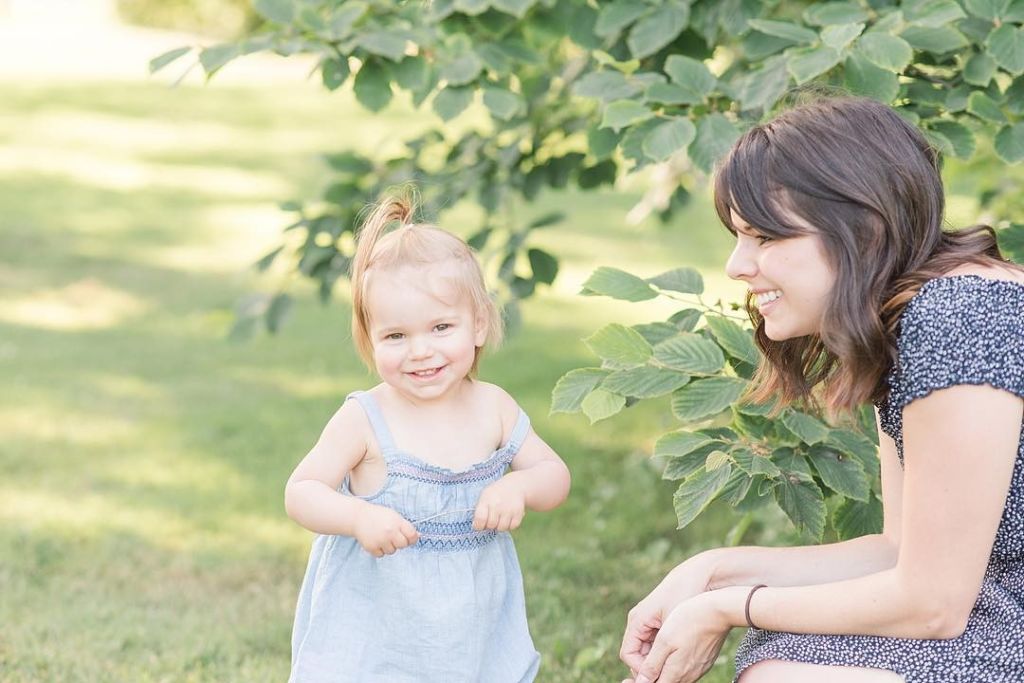
How to Cultivate a Green Garden

When the weather warms up, it’s tempting to get outside and start throwing seeds in the ground right away, but take a bit of time to plan your eco-friendly garden. It can go a long way toward boosting your long-term success.

Sketch out a quick map of your space and think about where you might place beds, raised boxes, containers, trellises, and pathways. You will (hopefully) be spending a lot of time in your garden, working the land and enjoying the space, so it’s worth putting in some forethought.

Consider the sun’s path throughout the day. This will help you get to know which areas have the most light/heat and which will be better suited to shade-grown plants like spinach and greens.

It’s also a great time to do an inventory of gardening tools, gloves, seeds, and soil. Set up a dry storage space that will be easily accessible to your garden.

Finally, it can be helpful to start a garden journal to keep track of your layout, planting plans, and harvest notes so you can adjust and improve things year over year.

Design Your Garden

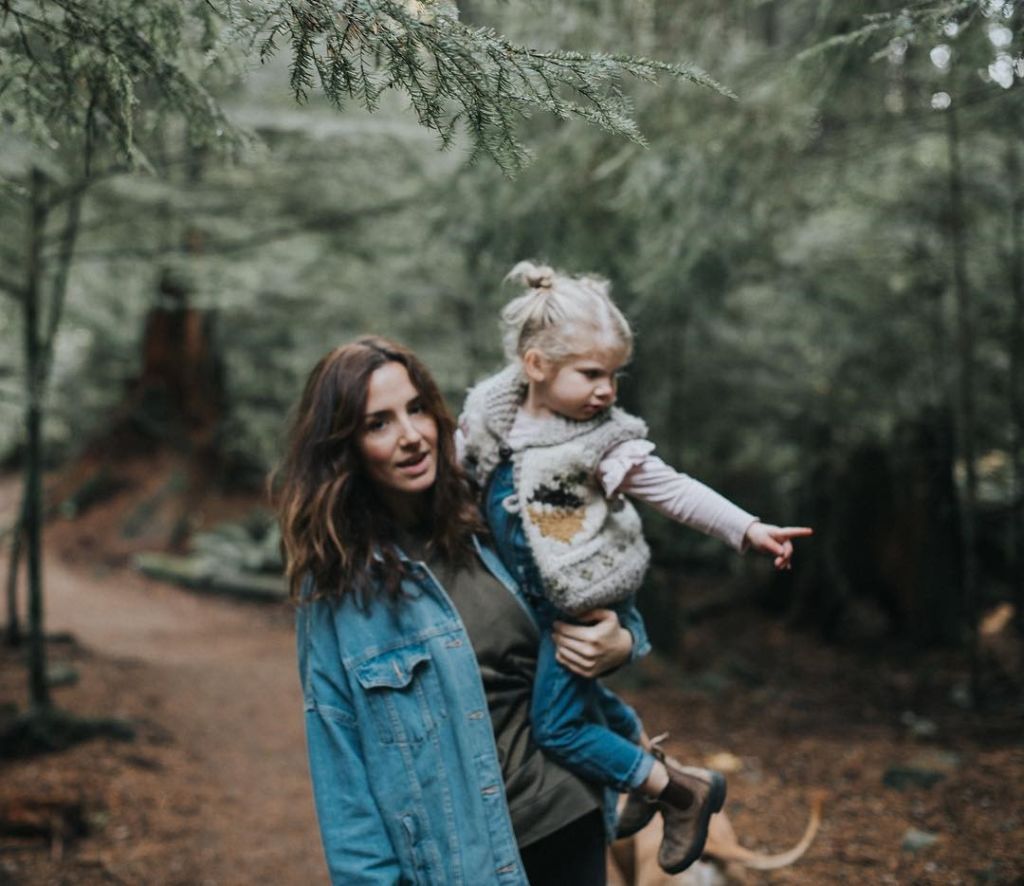
How to Cultivate a Green Garden

Once you have a rough plan in place, it’s time to get out there and start digging!

You can reuse materials around the house to start creating structures in your garden. Bricks, stones, tiles, or logs, make great outlines for ground-level beds. You can mix and match with new structures as well. Concrete planters could be supplemented with old barrels, wooden boxes, or even a vintage sink or bathtub repurposed into raised beds. These will give plants extra warmth and help keep slugs and other pests out.

Vases, pots, and water jugs could make interesting containers for smaller plants. Mix in a few classic patio pots for a more modern look.

Don’t forget to install a little bench or chair in a nice sunny spot. You’ll need somewhere to put up your feet and enjoy the fruits of your labour on quiet afternoons. You could also install some of these nifty solar lights and turn it into a nighttime fairy garden.

Prepare Your Garden

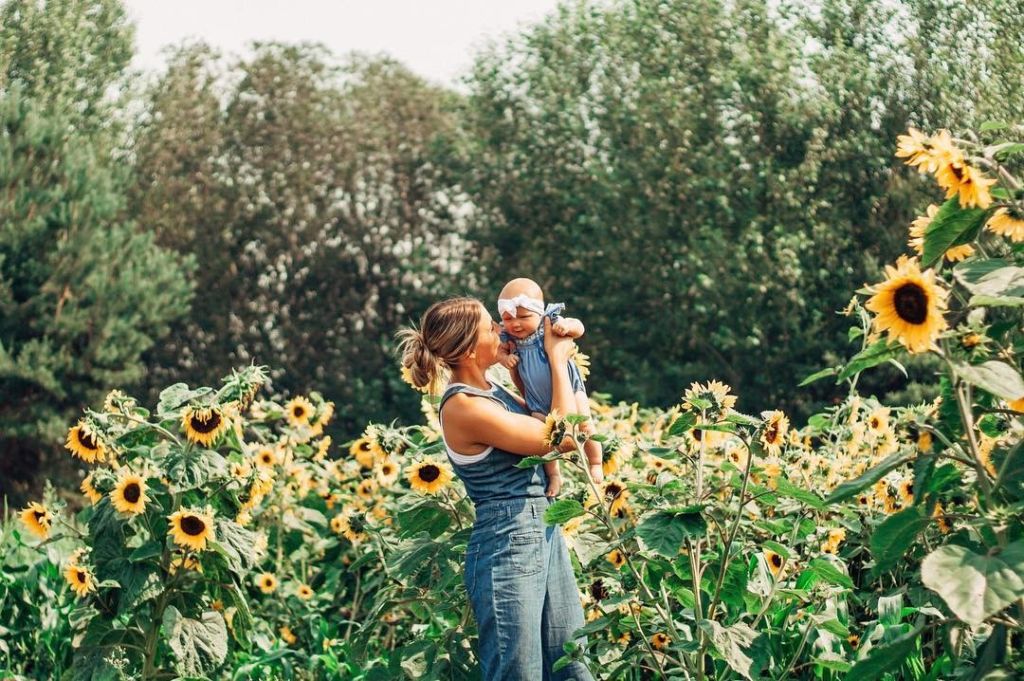
How to Cultivate a Green Garden

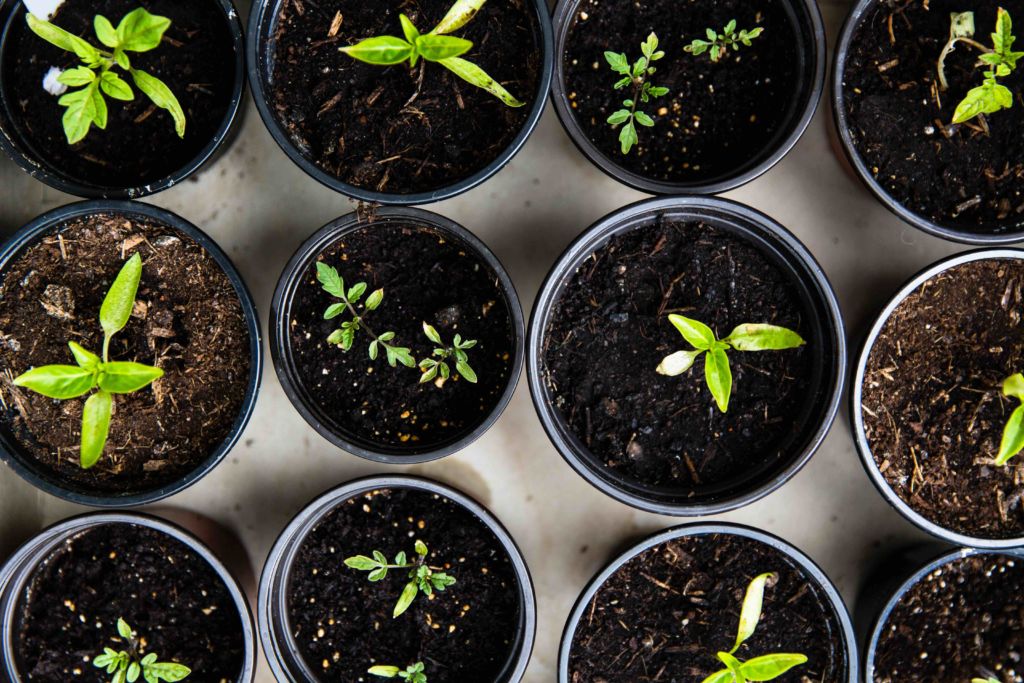
Before planting, you’ll need to prepare your beds by working in homemade compost and setting up irrigation for the season.

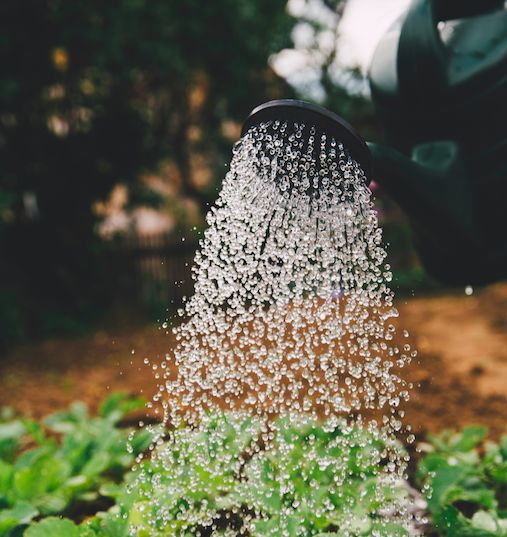
Make sure you have a good working hose and nozzle ready for the months of watering ahead. Collecting rainwater is a great practice that lowers the demand on your main water supply and contributes to a more sustainable, efficient garden.

Now open up that handy gardening toolkit you prepared earlier and get ready to plant! Experiment with companion planting and see how different combinations fare. Be sure to make a note in your journal so you can adjust and rotate your crops next year.

Maintain Your GardenHow to cultivate a green garden

The true key to cultivating a gorgeous green garden is to keep it manageable. There is always a push required to get things set up and growing, but once the plants are established, your garden should switch into maintenance mode.

Now you can relax into watering daily, weeding as needed, and watching with fascination as things grow and develop. It’s curiously fun and exhilarating to see your garden transform before your eyes!

If you have space, mix things up with vegetable beds, herbs, small fruit trees, flowering trees, perennials, shrubs, and flowers. This will keep things blooming and fruiting across the entire season which is interesting and exciting.

It might also be a good time to add some fun decorations to your garden while you’re at it.

Share the Harvest

How to cultivate a green garden

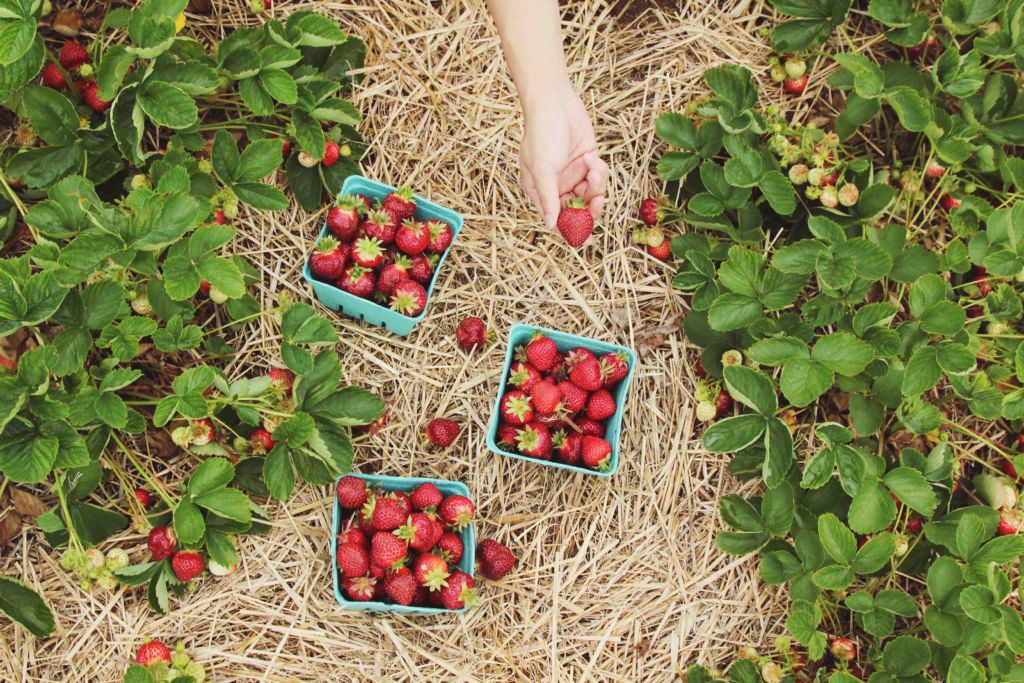
Before harvest time, you’ll notice you’re not the only who has moved into your garden. Bees and birds (among other creatures) will be regular visitors, which can be a delight to watch.

Encourage birds to come by setting up a bird house. It’s fascinating to watch them feed, converse, and settle around the garden.  

Perennial herbs, like lavender, sage, and thyme, are great for attracting more pollinators too. They smell beautiful, require very little maintenance, and are great for cooking.

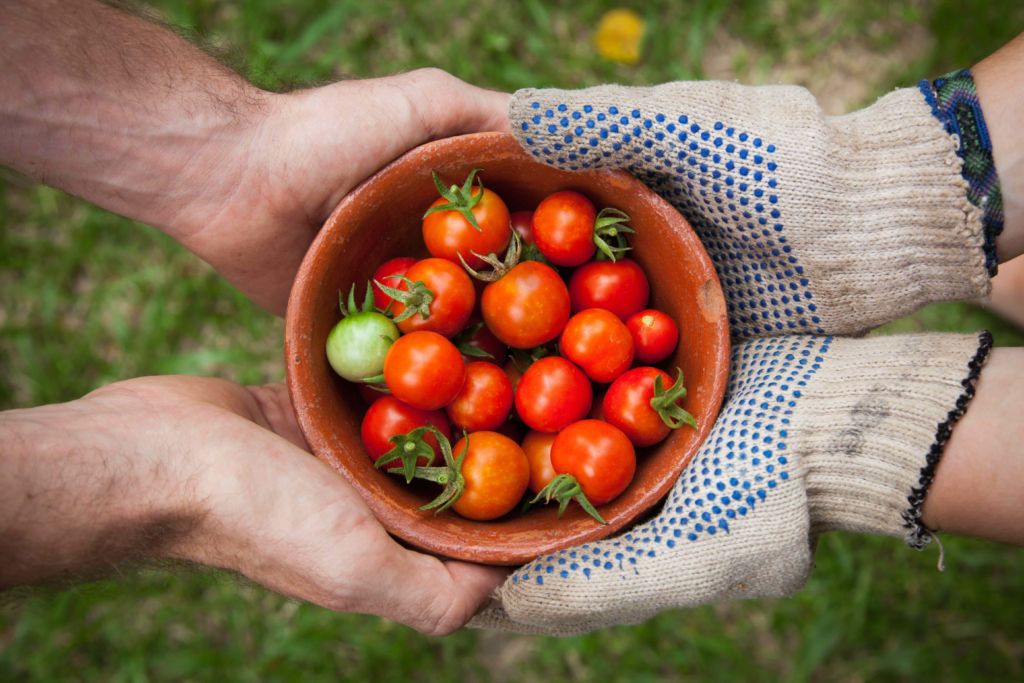
Finally, don’t forget to invite your friends and neighbours to enjoy your gorgeous green garden. They may be happy to lend a hand for harvesting, canning, pickling, and other fun food preserving activities that come along with a plentiful garden. Or, make it a relaxing evening in the garden while the sun sets. Light up a Citronella candle and enjoy the fruits of your labour.

With a little effort and care, your green garden will benefit you, your family, and your community for years to come.

Visit your local London Drugs or check out our outdoor living guide for more gardening tools and decor.

Real Expert Interview: Family Travel Tips with the Traveling Canucks

Travelling as a family can be tricky. Luckily, for those of us with a need to explore, it’s not impossible. It just takes a shift in mindset from the way you may have thought about travel as a single person.

Travel experts Nicole and Cam Wears of Traveling Canucks are the perfect example of how to travel with kids. Together, they travel around the world with their two young boys. It’s taught them a lot about what it means to travel as a unit, as well as loads about themselves and what they should or shouldn’t do or expect when they’re on the road. They believe it’s possible to have it all — build a career, grow a family, and travel the globe!

So, we asked them eight questions about exactly how they do it. Their thoughtful stories and advice will inspire you to travel more with your family and balance it all.

Real Expert Interview: Useful Travel Tips with Travel Experts, Traveling Canucks


1. Everyone’s story is unique. Can you tell us a bit about how you came to be an expert in travelling?


We consider ourselves very fortunate to have travelled to over 75 countries and territories together in the past 15 years, fulfilling many of our life goals and dreams along the way.

Travel is a common passion that has always played an important role in our lives. Our exposure to travel began at young ages, with Cam living in Nairobi, Kenya at age 12 and Nicole backpacking Europe at age 19. After living in Malaysia in 2004 and exploring most of Southeast Asia, we got bitten by the travel bug and have continued to make travel an important part of our lives, even after having kids.

Ten years ago we started Traveling Canucks after we finished an around-the-world tour. Our travel blog has evolved over the years and now the goal of our blog is simple – to share our family travel stories from around the globe and in our beautiful backyard, with the hope that it will inspire others to travel more and help our readers plan the big adventure they’ve been dreaming about.


2. Travelling can be hard. Can you please share any growth moments or revelations you’ve experienced while travelling?


Traveling as a family has taught us a lot! We’ve learned about us and our boys. It’s also taught us many things we shouldn’t do when travelling with young kids. A few of our key lessons learned while travelling with young kids are:

1) Don’t try to replicate the way you used to travel before having children. Things are different now, so try not to squeeze too many activities or sightseeing into one day.

2) To ensure everyone gets a good night’s sleep, it’s best to find accommodations that have separate sleeping areas.

3) Jet lag is real – especially with kids. Plan for the worst, hope for the best!

We have a story with more information about this topic. For a list of our top 10 lessons learned for family travel, you can find it here.


3. Do you have any guidance for those wanting to travel more? Perhaps some preparation, tools, or mindset suggestions?


Travel with kids, especially young kids, can be seem daunting. But, the more you travel with them, the easier it gets. They’ll learn what to expect and what’s expected of them during the trip.

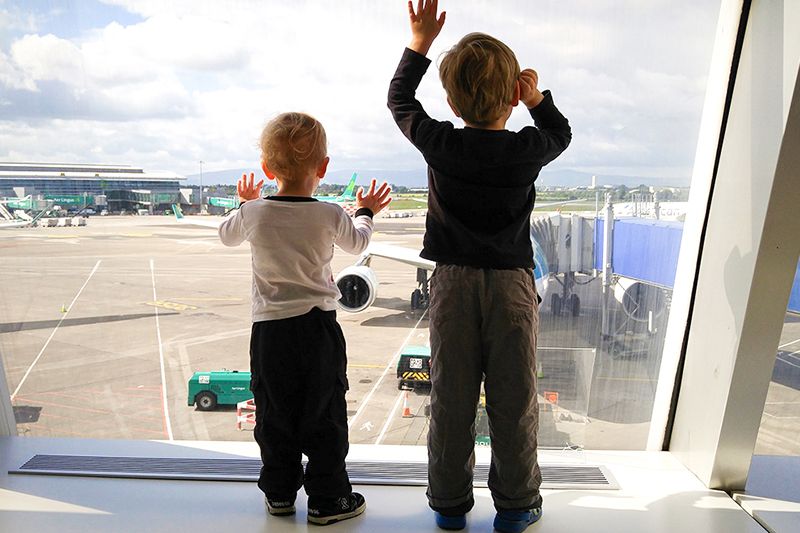
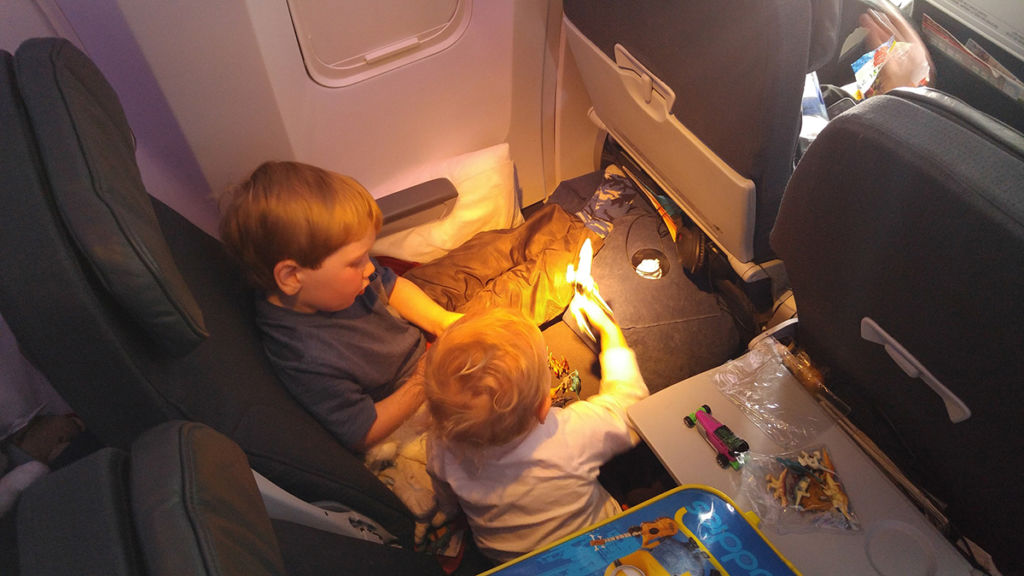
Both our boys flew for the first time at three months old. We went to Palm Springs both times. We chose Palm Springs because it was an easy two-hour flight from Vancouver and it didn’t involve a time change. We then worked up to Europe with our oldest son when he was eight months old.

By taking smaller trips with him prior, we felt mostly prepared for travelling with him through Europe.

Real Expert Interview: Useful Travel Tips with Travel Experts, Traveling Canucks


4. What are some things you can’t — or won’t — travel without?


1) We try to capture a lot of our trip and experiences in pictures and video. So we always bring our camera and GoPro with us.

2) We also always bring our tablets. They provide entertainment for our kids on long car rides and flights. We download Netflix movies and shows before we leave home, so we don’t need to rely on having wi-fi on the road.

3) Our kids can’t travel without their puppies (aka stuffies). It would be a disaster if they got left behind so they are one of the first items to be packed in their travel suitcases.

4) We always bring kids Tylenol, Advil, Benadryl, and Kaopectate. When you need them, you’ll be happy that you brought them. If you aren’t sure what your kids need, talk to a Pharmacist you trust.


5. What about items people tend to pack but don’t need? What are a couple things people should NOT travel with?


We are getting better, but we always tend to pack more clothes than we actually need. One question that we now always ask ourselves is: At any point will we have access to a washer and dryer? If our answer is yes, then we halve the amount of clothes that we intended to bring.

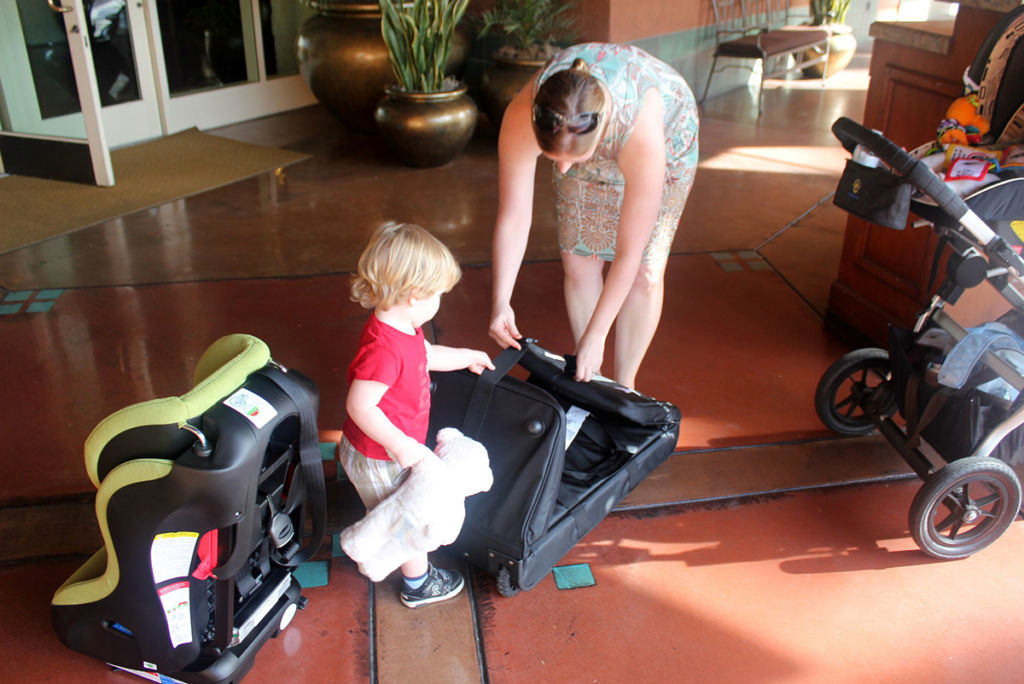
Another question to ask is about car seats. Do you need a car seat with you? In some cases, you do. But if you’re going to an all-inclusive, it’s possible you may not need a car seat.

Real Expert Interview: Useful Travel Tips with Travel Experts, Traveling Canucks


6. How do you decide what to pack, and what not to pack?


It depends on where you’re going, but the one thing that we do is we pick clothing that is versatile.

For example, a pair of jeans or a pair of black leggings can be worn with most tops. I recently became an ambassador for a Canadian travel clothing company called Fig Clothing, and now most of my travel wardrobe is from Fig. It’s comfy, stylish, and versatile, which is exactly what I look for when travelling.

Another tip is to start packing a week before you leave. This gives you time to think about what you actually need. If you pack the night before leaving, you’ll likely add way more items than you actually need.


7. For folks looking to skip the baggage carousel with just a carry-on, what advice or hacks do you have about travelling light?


We like using packing cubes to help organize our clothes because it separates our items (shirts, pants, and underwear, etc.). We’ve found that it has helped us be more organized by having a dedicated space for certain items, and we pack less and more carefully. Plus, it’s a lot easier to find your clothes when you arrive at your destination.

We mentioned it before, but we also try to book a place where you can wash your clothes part way through the trip. This will allow you to bring less.


8. What are a few unconventional, surprising, or quirky suggestions you have to pack like a pro?


We always bring a separate bag full of food and snacks, especially when we are flying. You may think that you can’t bring food with you on a plane, but you can! Just stay away from fruit and meat. Our youngest has an allergy to dairy and eggs so we are always planning ahead when it comes to food, but it’s a really handy tip for any travelling families.

We always include snacks, like crackers and chips. A few unconventional items that we bring are instant oatmeal and Mr. Noodles that come in individual containers because all you need is hot water. We also like to bring small cereal pouches and plastic bowls and spoons. Our kids can choose to eat the cereal plain, or we ask for milk and they can have a bowl of cereal. For our son with the dairy allergy, we bring rice milk with us and declare it at the airport when we go through security.

Pro tip: especially when you’re flying, don’t expect the airlines to have food for your kids. We bring our own food for the trip so they can eat when they are hungry.

Real Expert Interview: Useful Travel Tips with Travel Experts, Traveling Canucks


Cam & Nicole Wears are a Canadian couple with two young boys, who choose to make travel a priority. They believe it is possible to build a career and family AND travel the globe and follow your passions. Their blog is where they share their travel stories and tips they learn while balancing travel, work, and family. Learn about their story here, or follow them on Facebook, Twitter, YouTube, and Instagram.

For additional tips on how to pack like a pro, or for travel insurance, drop by your local London Drugs and talk to any of our in-store experts.

6 Tips for a Beautifully Organized Pantry

If the kitchen is the heart of the home, then the pantry is what keeps it ticking. It’s no secret that a well-stocked pantry simplifies kitchen productions. The trick is organizing it — and keeping it organized — so that it becomes a joy to use, rather than a chore. Follow these six essential tips for maintaining a pretty pantry.

How to organize your pantry

1. Go Vertical

Use wall or stackable shelves to make use of empty vertical space. Don’t forget stackable drawers for larger items and, again, think “up” — instead of nestling them side-by-side, stack them up high (and secured to the wall) to free up valuable floor space. If your pantry has a door, a door organizer hung onto the back can hold unwieldy items like your Swifter, mop and even larger BBQ utensils. Not only will they have a home, but they’ll be out of sight.

2. Match It Up

It’s worth investing in matching containers, which will not only serve a purpose as storage, but also create a sense of unity and visual harmony. Large mason jars are a quick and inexpensive way to corral baking ingredients, for example. Plus, you can see immediately if you’re running low on anything.

For larger items, baskets are an attractive and efficient way to group things like crackers and snacks into subdivided categories: salty snacks, sweet snacks, kids’ snacks, etc.

3. Label It

Invest in a label maker and never misplace anything again. Labelling everything is absolutely necessary in a place like a pantry where turnover is high, and especially if more than one person has access. It all seems like a perfect system until somebody adds sesame seeds into the quinoa jar. Matching labels, like matching containers, help give your pantry a cohesive foundation that you’ll be more inclined to keep organized. If you’re more into freehand calligraphy or doodling, explore sticker labels.

Keep your pantry organized

4. Take Inventory

Keep track of what’s in your pantry by maintaining a general list of what’s in it, especially for items that have a shorter shelf life. Update this list as you plan for your week, adding ingredients you need to buy to complete your snacks and meals. You can do this on a device with a spreadsheet if you’re digitally inclined, but a simple dry erase board or chalk board can be a fun and even entertaining way to communicate with everyone in your household what needs to be replenished in the pantry.

5. The Fun Zone

Organize your pantry into zones the way your favourite supermarket does: grains and cereals, sweets and baking ingredients, canned goods, crunchy snacks, etc. We already know this system from decades of grocery shopping, so applying this method in your home pantry should make sorting and retrieving items much easier.

Also, don’t use up all the available space; give yourself some breathing room for special occasions that will need their own prepping zone. For example, you might audit your pantry once a year so a special bin for “eat now” items that are soon to expire is handy to have. Or when you’re planning a big holiday party or prepping for a camping trip, you’ll want some extra space for containers that will accommodate this sudden but short-lived abundance in groceries.

Tips to Organize Your Pantry

6. Something In, Something Out

Your pantry is not the walled version of your junk drawer. Once you’re happy with your supply level, implement a strict “something in, something out” rule. Bring something new in, take something out (unless you’re replacing something already gone). That way your net products will remain the same, so you’ll never be surprised to find a half-eaten bag of potato chips buried in the back, only to have to throw it away.

Looking for more organizing tips? Here’s a look at how to organize your home office.

Why You Should Digitize Your Old Photos and Memories

Why You Should Digitize Old Photos

If you were born in a certain era, you likely remember the days when snapping a photo meant pulling out your camera and winding the film along manually before taking the shot. You had no idea how the photo would turn out until days or weeks later when you finally finished the roll of film and dropped it off for processing at your local photo developing lab.

If you remember that, then you likely have a shoebox at the back of a closet full of old photos; pics of your first day of kindergarten, or your child’s birth, or your parents’ wedding day – precious memories collected over the years that you want to preserve.

Why You Should Digitize Old Photos

There are several reasons why you should consider digitizing that irreplaceable box of photos.

  1. Natural disasters: In the event of a natural disaster like a fire or flood, you won’t have time to rummage through your closets looking for that box of photos to save. It’ll be much easier to grab a USB key.
  2. Wear and tear: Over time, photos don’t hold up. The corners get bent, they can tear, and the colours fade.
  3. Shareability: Once you have your photos digitized, you can share them with other family members and they can share theirs with you.
  4. Ease of storing and organizing: They’re easier to organize and catalogue when they’re digitized. And no more bulky photo albums taking up valuable storage space.
  5. Photo books: With your digital photos you can create photo books, which make amazing gifts for family and friends.

You can digitize your photos yourself (DIY) or you can use a service that takes care of it for you.

Digitizing DIY

Depending on how many photos you have to digitize, you’ll need a good scanner for the job. You may choose to use a flatbed scanner to manually scan your photos, or a photo scanner like this high-speed scanner or this smaller one. It may feel like a laborious task, but look at it as a nostalgic trip down memory lane.

Using a Photo Service

Our Photo Box Service takes the time-consuming manual labour out of the scanning process. You simply pick up a Photo Scanning Box from your closest London Drugs store, fill it with up to 800 photographs, and take it to one of our Photolabs. Then, we’ll do the scanning work for you and, within a week, you’ll receive a USB drive with all your scanned photos. You still get to sort through old photos and decide which ones to keep, but the bulk of the work is done for you.

However you decide to digitize your photos, it’s worthwhile to ensure your family’s history is preserved for generations to come.

Check out our full selection of scanners, or learn more about our Photo Box Service.


Beyond Zoodles: Super Good (For You) Spiralizer Recipes

If you’re serious about healthy cooking, you likely have already tried spiralized zucchini noodles. They’re healthy and delicious, and can take the place of high-carb foods. But one can only eat so many zoodles.

Did you know there are many other healthy and delicious fruits and veggies that go great in a spiralizer? Other spiral-friendly foods include broccoli, apples, beets, sweet potatoes, pears, parsnips, squash, carrots, potatoes, and yams, just to name a few. If you’re zoodled-out, we’ve got some fantastic recipes below that will inspire your spiralizer.

Breakfast

Spiralized Breakfast Casserole

Try this savoury and satisfying casserole on a weekend morning for a paleo, gluten free, low-carb treat.

SkinnyFitalicous.com

Serves: 9 slices
Time: 50 min.

Get the full recipe at SkinnyFitalicious.com.

Spiced Pear Overnight Oats

If you’re on the meal prep train, this hearty breakfast will whisk you off to flavour station.

Inspiralized.com

Serves: 2
Time: 10

Get the full recipe from Inspiralized.com.

Lunch

Broccoli Caesar Salad with Chicken

This satisfying salad is easily packable for lunch on the go. Bonus – it’s keto-friendly and dairy-free, and vegan if you replace the chicken with a protein alternative.

Inspiralized.com

Serves: 4
Time: 15 min. (not counting soaking cashews)

Get the full recipe from Inspiralized.com.

Vegan Thai Lemongrass Coconut Curry Soup

Your craving for takeout will be taken care of by this tangy and spicy soup with spiralized sweet potato, zucchini, and celery root.

Salt & Lavender

Serves: 4
Time: 30 min.

Get the full recipe from SaltAndLavender.com.

Wasabi Cucumber Avocado Dressing & Spiralized Cucumber Salad

The spicy wasabi dressing packs a lot of punch on this fresh and healthy salad.

Peas and Crayons

Serves: 4
Time: 20 min.

Get the full recipe from PeasAndCrayons.com.

Dinner

Chicken Sausage and Peppers with Spiralized Dirty Rice

The “dirty rice” in this recipe is neither dirty nor is it rice (it’s actually sweet potatoes), but it is rich and delicious.

Inspiralized.com

Serves: 4
Time: 50 min.

Get the full recipe from Inspiralized.com.

Ginger Beef Sweet Potato Noodles

This quick and tasty one-pan meal with lean beef and loads of veggies will be a hit with the whole family.

TheGirlOnBloor.com

Serves: 4
Time: 35 min.

Get the full recipe from TheGirlOnBloor.com.

Som Tam – Thai Papaya Salad

If you’ve never cooked with unripe papaya before, welcome to a new world of flavour! This simple and vibrant salad can be thrown together in minutes, and can be served as a main or side.

HerbivoreCucina.blogspot.com

Serves: 2 main dishes or 4 side dishes
Time: 15 min.

Get the full recipe from HerbavorCucina.blogspot.com


Dessert

Mini Apple & Browned Butter Tarts

Okay, so this one isn’t so super-good for you, but we couldn’t resist these yummy little bites.

The Creative Bite

Yield: 14 tarts
Time: 1 hr 5 min

Get the full recipe from TheCreativeBite.com.


We hope these recipes help inspire you to spiralize everything! If you haven’t ventured into the world of spiralizing yet, London Drugs has tools that fit into every budget:


KitchenAid Spiralizer Attachment

Snap this onto your KitchenAid mixer and start spiralizing.


Hamilton Beach 4-in-1 Electric Spiralizer

This handy appliance has 4 different blades for an endless variety of new dishes to try.


Starfrit Spiral Vegetable Slicer

With ultra-sharp blades and easy clean-up, this hand crank model with save you time and electricity.


OXO Softworks Hand Held Spiralizer

If you want to start spiralizing without committing counterspace, this little gadget can accommodate both long or round vegetables, and will fit in your kitchen drawer.

Best Spots in Canada for Nature & Landscape Photography this Spring

Spring brings with it one of the best times in the year to head out and capture some beautiful, nature-rich landscape photographs. Lucky for us, in Canada we’re blessed from east coast to west coast with loads of picture-perfect locations to shoot! Planning a photography getaway with just you and your camera? Our LDExperts in the Photolab are sharing their must-visit places to capture stunning shots of Canada’s natural beauty this spring.

Dempster Highway

Planning a road trip this spring? The 740 km bucket list journey from Dawson City, Yukon to Inuvik, Northwest Territories offers incredible scenery, wide open spaces and remote beauty. It provides the perfect opportunity to cover all of Northern Canada in a single trip, and there are several picturesque locations to snap beautiful landscape shots. The best part of the journey? It even traverses the Arctic Circle! For aerial shots that capture the pure vastness of the terrain, consider bringing along a drone to take some epic shots from above.

Gros Morne National Park

For a diverse range of landscapes, look no further than Gros Morne National Park. A UNESCO World Heritage Site covering 1,805 square kilometres, it offers views like no other. Soaring fjords and moody mountains tower above a diverse panorama of beaches and bogs, forests and barren cliffs. If you’re lucky, you’ll even get a chance to capture a shot of some local nature, like a moose!

Kananaskis Country

Situated to the west of Calgary, in the foothills and front ranges of the Canadian Rockies, Kananaskis Country is a popular destination for Albertans looking for a wealth of landscape photo opps. Photographer Tyler Todesco captured this beautiful shot and had it printed on one of our aluminum mental panels: “I chose to print on aluminum because it gave the picture a lot of depth. I was really happy with how it turned out when blown up, the colors were extremely vivid.”

Vermillion Lakes

This year-round 4.3 km scenic road offers wildlife viewing opportunities and breathtaking scenery. With Mount Rundle creating the perfect backdrop, it’s no surprise this is a favorite destination among photographers. Spring brings the added beauty of snow-capped mountains and clear blue lakes against a beautiful sunset.

Cabot Trail

Rising from the sea and clinging to mountains, the Cabot Trail will take you through majestic ocean vistas and quiet fishing villages. It is one of the world’s most scenic drives and if you’re looking for something more adventurous, it offers hikers a great experience with a rewarding view. A trip around the Cabot Trail is not complete without seeing the highlands from the water. We guarantee you’ll be stopping every 5 minutes to snap a photograph along this route!

Grand Beach

Looking for a destination that offers great landscapes for photography and doubles as a beach vacation? Check out Grand Beach, Manitoba! Resting along the eastern shore of Lake Winnipeg, Grand Beach is a freshwater beach with white sand backed by sand dunes that are 30 ft high. It is truly an undiscovered treasure in southern Manitoba.

Fogo Island

With a long maritime history, Fogo Island is the largest offshore island of Newfoundland and Labrador. With bright-colored houses, sea-cliff footpaths, and a lush forest set against a striking coastline, it provides the perfect landscape for picturesque photographs.

Tofino

Surrounded on three sides by saltwater and emerald islands, Tofino is a great spot to capture the West Coast in the spring. Perfect for a weekend getaway, Tofino offers photographers an opportunity to capture sandy beaches, vivid sunsets and beautiful waves. The spring season also marks the return of the whale migration with Pacific Gray Whales and possibly Humpback Whales.

Victoria

If you’re looking to capture beautiful spring cherry blossoms, Victoria is the perfect destination. One of the most well-known places to photograph spring blossoms is along View Street in the heart of Downtown Victoria. North of Victoria, The Butchart Gardens erupts into a sea of vibrant colour each spring and offers tulip displays and fragrant blossoms. For photographers looking to capture the floral beauty of spring, Victoria is definitely a must-visit.


Don’t leave those gorgeous shots lying on your camera or laptop! At the London Drugs Photolab, we’ve got a wide range of printing and enlargement options. Or create a photo book to showcase your best spring photography. Our aluminum metal panels are also great for making the vibrant colors in your spring shots really pop.  Unsure of what the best option is for your pics? Head to your nearest London Drugs store and speak to one of our LDExperts in the photolab!

Real Expert Interview: World Travel Made Easier with Hecktic Travels’ Tips

Have you ever dreamed of quitting the nine-to-five, packing a bag, and exploring this big, beautiful planet in search of adventure and new experiences? You aren’t alone.

Dalene and Pete Heck, authors of the travel blog Hecktic Travels and proclaimed “Travelers of the Year” by National Geographic Traveler, felt the same way eight years ago. And they did something about it.

They didn’t start out with a lot of travel experience when their big adventure began. They had to learn as their boots hit dirt. Through their journeys, they’ve amassed a wealth of on-the-ground travel expertise. So, we asked them to share it.

Their story is one that resonates for so many of us, and their tips and advice are inspiring, if not indispensable.

Real Expert Interview: Useful Travel Tips with Travel Experts, Hecktic Travels


1. Everyone’s story is unique. Can you tell us a bit about how you came to be an expert in travelling?


Real Expert Interview: Useful Travel Tips with Travel Experts, Hecktic TravelsIt’s funny – neither Pete nor I travelled much growing up. Family vacations were very few, and for both of us, being away from home was usually only to play in sporting events around the province. When Pete and I first got married, he even said he didn’t understand why we needed to go anywhere when we could just spend every weekend camping!

But too late for him — the travel bug was biting me hard! Our first trip was to Puerto Vallarta for our honeymoon. Then I coerced him to take a tour of Europe. And THEN we took our very first backpacking trip to Costa Rica. That last trip was where it really hit home for both of us — we craved that adventurous style of travel and were always looking to do more. We loved how it pushed us out of our comfort zones and how much we really learned about every destination we visited.

Truthfully, our life was sent into a tailspin because of some personal tragedies, and travel is what pulled us out of it. We weren’t unhappy with the sort of nine-to-five lives we were living, but we knew we could do so much better.

We sold our house, quit our jobs, and decided to pursue our biggest travel ambitions. That was almost 10 years ago, and even though we recently settled back in Alberta, travel has continued to shape our lives and even our careers.


2. Travelling can be hard. Can you please share any growth moments or revelations you’ve experienced while travelling?


Without a doubt, the most powerful lesson we learned while traveling was how little we could actually live with. We went from having a 2,100-square-foot house to having only two backpacks that totalled 110 litres, and we lived that way for almost 8 years.

Now that we are settled again, we are much more conscious of things and the space they hold in our lives, and on the planet. Our purchases are much more thoughtful and we are careful not to fall into our former blind-consumerist mentality. It is very freeing to live so minimally!

Also, anyone who has ventured beyond the standard “all-inclusive” style vacation will learn this lesson: the world is not near as scary as it is made out to be.

We’ve had our scary moments, to be sure, but we know for certain that people the world over are genuinely good. We’ve had our passports returned to us when I left them on a bus in Chile. In Ecuador, I left my iPhone on a bed and the hotel flew it out to me the following day. In Turkey, we had locals get off their bus in order to walk us two blocks to where we needed to catch our bus. They waited to ensure we got on the right one, missing their own in the meantime. We learned the meaning of the word hospitality in countries far away from our own.

Real Expert Interview: Useful Travel Tips with Travel Experts, Hecktic Travels


3. Do you have any guidance for those wanting to travel more? Perhaps some preparation, tools, or mindset suggestions?


Despite our abundance of travel, we are actually the world’s WORST travellers… seriously, who leaves their passports on a bus in Chile?? THIS GAL. We are pretty scattered and often arrive at places unprepared, but somehow we manage to get by. I would advise you to keep that in mind if you go searching for travel tips on our blog!

But one thing I will say when it comes to mindset: as much as possible, go into a new destination or adventure with little to no expectations. We learned early that setting future travel destinations high on a pedestal almost certainly meant we would be disappointed in some way. Instead, we’ve been happily traipsing around the world being pleasantly surprised by everything, and letting our adventures unfold as they are meant to. There is no better way to learn than to go into a new place with a blank slate and just absorb all that is around you.


4. What are three things you can’t — or won’t — travel without?


For the first few years of our nomadic adventures, we traveled without a phone! There are many ways that we miss those early untethered days, but now we also find ourselves quite addicted to some of the tech that makes it all so much easier.

A few of our favourite apps include:

  • Google Translate: Google bought out the app “Word Lens” a few years ago and it is the handiest thing to point your phone camera at a foreign menu and have the words translated for you directly on the screen;
  • Maps.me: This is Pete’s favourite because the offline maps are better than Google and even include hiking paths. It also easily allows him to mark spots that he wants to return to in order to get photos in better light;
  • Trover: This app is sort of a “useful Instagram” in that it is full of beautiful photos but they are all geotagged and captions include helpful travel tips on how to find and best enjoy that spot.

5. What about items people tend to pack but don’t need? What are a couple things people should NOT travel with?


I think hidden money pouches are uncomfortable and a waste of space. We had one for the first year around South America but quickly disposed of it when we just didn’t see the point of it. We are very careful in how and where we travel (i.e. you won’t find us stumbling on a side street back to a hotel after a late night at a bar), and as long as you make smart decisions, I don’t think such a thing really helps. Money belts can also sometimes be easy to spot and an argument can be made that wearing them actually makes you more of a target.

Along that line, leave the flashy jewellery at home. Nobody needs to see big diamond rings or cares that you wear brand name sunglasses when you are travelling in a poorer country. Most crimes against tourists abroad are petty theft and only opportunistic in nature, so stop making yourself a target.


6. How do you decide what to pack, and what not to pack?


Weather is probably the biggest factor! We have had instances where we’ve gone from winter in Finland straight down to Guatemala, so we’ve had to be pretty careful about what we brought with us. Everything needs to be compact, and I usually pack with layers in mind. That cute cotton sundress is great in Guatemala, but I threw some leggings under it and it was wearable in Finland too. It all needs to be interchangeable, and easy to match with other things.

Real Expert Interview: Useful Travel Tips with Travel Experts, Hecktic Travels


7. For folks looking to skip the baggage carousel with just a carry-on, what advice or hacks do you have about travelling light?

We have never been able to master this — ha! Which is why we asked an expert to pen some tips for our website, because we are so terrible at it ourselves.

I wish we could be more helpful! Just know the struggle is real, and you are not alone.


8. What are a few unconventional, surprising, or quirky suggestions you have to pack like a pro?


Using packing cubes is the one packing tip we are certain is a good one! Stuffing our lives into luggage for almost eight years could not have been done without using packing cubes. We each carry a few and separate our items by type (shirts, pants, underwear, and socks). They keep everything compact and organized. And the added bonus is when we stay somewhere for an extended period they pop out and fit into the drawer where we are staying which makes unpacking easy.

Also, taking a sarong is a must, and not just to use as a cute piece of clothing. Use it as a skirt, a halter dress, a swimsuit cover, towel, blanket, headdress, scarf, or even a pillow. The best part is that it packs away quite small. You might as well take two!


Dalene and Pete Heck are the duo behind HeckticTravels.com, a narrative travel blog that follows their journeys around the globe and has garnered them many accolades, including being named “Travelers of the Year” by National Geographic Traveler. After eight continuous years on the road, they have since settled back in Lethbridge, Alberta, but continue to chase adventures as much as possible.

Connect with them on: their blog, Instagram, Facebook, and Twitter.

For additional tips on how to pack like a pro, or for travel insurance, drop by your local London Drugs and talk to any of our in-store experts. 

« Previous Page Next Page »