8 Clever Hacks for Your Kitchen Appliances

There’s no time like the present to dust off that waffle iron you received as a wedding gift two years ago. The same applies to the slow cooker only brought out for potlucks, and the popcorn machine you can’t reach at the back of the cupboard. When it comes to kitchen appliances, the possibilities are only limited by your imagination. Coffee makers and dishwashers are capable of doing much more than what it claims on their packaging. The following hacks take everyday kitchen appliances (and a few kitchen tools!) from one-dimensional to multi-faceted.

Cheese Grater
kitchen cooking hacks

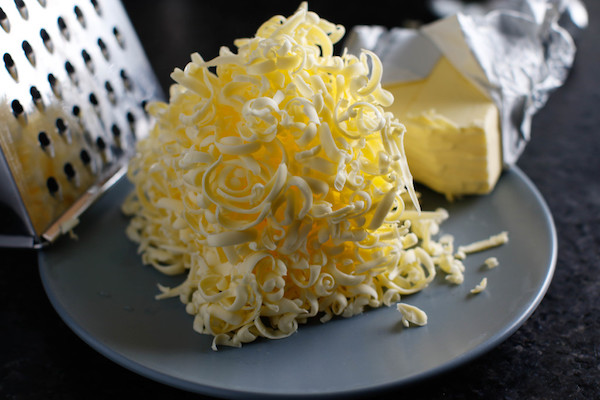
We all know how frustrating it can be trying to butter a fluffy piece of toast with a cold slab of butter. Not only can a cheese grater solve all your butter problems, but it can also double as a vegetable slicer, spice grinder, and chocolate shaver. Find more grater hacks here.

READ MORE

Rosh Hashanah: Mouthwatering Recipes For A Sweet New Year

Shana Tova U’Metukah!

Rosh Hashanah is all about eating delicious food together to help ensure that you will have a sweet New Year! With delicious and symbolic foods ranging from beets to black-eyed peas, apples dipped in honey isn’t your only option. We’ve got some classics, some off-beat suggestions – and so many delicious ways to celebrate the New Year.

Beet Chips With Spicy Honey Mayo
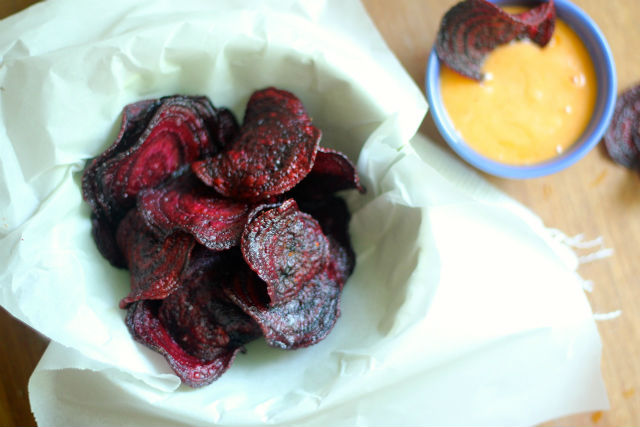
Image courtesy of The Nosher

Image courtesy of The Nosher

Having everyone over? Kick off the festivities with a tasty snack of crispy beet chips dipped into a delectable honey mayo sauce. (Our top tip? Double the recipe. Yes, they’re that good.)

The Hebrew word for beets sounds like the word for “remove”, or selek, and eaten to express the hope that your enemies will depart.

READ MORE

12 Great Hacks That’ll Change Up Your Laundry Routine

Laundry. It’s unavoidable. But what if we told you that you could save time, money, and prevent wear-and-tear with just a few tricks? That’s right, we’ve got the laundry hacks you’ve been waiting for.

Because everyone’s laundry room is this tidy, right?

Save money

The cost of doing laundry at home can add up quickly, especially if you have a large family. If you want to learn a few tips and tricks to saving power and money while still having clean laundry, keep reading below!
  • Switch from hot water to cold whenever possible. Obviously your son’s workout gear isn’t the place to cut corners, but for things like towels, bedding, and general clothing, it’ll actually be better for your possessions to wash in cold, as cold water preserves colour and prevents shrinking.
  • Hang dry your laundry. Hang your clothes to dry! Of course tumble dry your towels and sheets, but for most clothing (like knits and silks), it’s recommended to hang dry anyways. Not enough space on your drying rack? We’ve got some options, or you can grab some hangers and dry in your closet.
  • Run full loads. This might seem obvious, but running a small load takes the same amount of electricity and dryer sheets (and if you use Tide Pods or Gain Flings, the same amount of detergent) as a full load. So don’t run small loads. Sort your laundry by colour (maybe use some water hyacinth baskets as hampers), and when the baskets fills up, wash it. Last minute requests for a specific pair of jeans can be addressed in an ad hoc manner.

Save time

  
There are only so many hours in a day, so the less time you have to spend on household chores, the better. Who doesn’t want to save time?  Here are a few time-saving laundry tricks:
  • Pre-sort your laundry. We mentioned pre-sorting above, but it’s worth repeating. If you have the square footage, set up labelled bins or baskets in your laundry room where the family can sort their own clothing. That way, it’ll be easy to pick up a bin, toss them in the machine, and move on with your day.
  • Use a towel to decrease drying times. Did you know adding a dry towel to the dryer will help your clothing dry faster? We wouldn’t recommend using this technique for delicate items, but really, they should be hung anyways. This trick is especially handy for heavy fabrics like cotton and denim.
  • Forget ironing. Use your dryer and a couple ice cubes to de-wrinkle your clothes quickly, leaving you to do more important things – like eating breakfast, taking a shower, or packing your bag.

Save your clothes

 
There’s more to taking care of your clothes than cold water and gentle cycles. Washing machines and dryers can wreak havoc on your clothing, so try these tips to help extend the life of that favourite dress and perfectly-fitting jeans.
  • Spray your jeans. If you like dark wash jeans, you know how damaging the washing machine can be to the colour. Even if you use vinegar and detergent that is specialized for dark colours, it’s still tough to keep the colours fresh – that’s why this trick is such a favourite. Mix a 70-30 mixture of vodka and water, and put it in a spray bottle. Flip the garment inside out, spray the garment, and hang it up to dry (preferable in the sunshine). Originally used in theatre costume departments to extend costumes between dry cleanings, the vodka will kill odours and bacteria, and dries odourless.
  • Spin dry your delicates. With delicate clothing, hanging to dry is an obvious – but how to remove excess water from your garments? Wringing them out can be damaging – especially with knits. Try using your salad spinner! Then hang to dry as normal.
  • Hand wash using a colander. Submerging garments in water can pull and twist at the fabric. Instead, grab a colander from the kitchen to use while you rinse detergent from your clothes. Alternatively, you can use the inside section of your salad spinner.
  • Wash clothes inside out, zipped and buttoned. Prevent snags, pulls, and fading by flipping everything inside out and zipping it up before washing. This protects items from the buttons and zippers on other garments!

LD Picks: 6 Surprising Sleep Secrets That Actually Work

For most of us, falling asleep is never as simple as putting head to pillow and shutting our eyes. If you’re in need of a few proven tricks for courting slumber, deep and restful, you’ve come to the right place. Read on!

* * *

Dr. Weil’s 4-7-8 Technique

Weil’s technique is simple, takes hardly any time, and can be done anywhere in five steps. Although you can do the exercise in any position, it’s recommended to sit with your back straight while learning the exercise. Weil also recommends you place the tip of your tongue against the roof of your mouth, just behind your front teeth, and keeping it there through the entire exercise. Here we go!

  1. Exhale completely through your mouth, making a whoosh sound.
  2. Close your mouth and inhale quietly through your nose to a mental count of four.
  3. Hold your breath for a count of seven.
  4. Exhale completely through your mouth, making a whoosh sound to a count of eight.

This is one breath. Now inhale again and repeat the cycle three more times for a total of four breaths.

The most important part of this process is holding your breath for seven seconds. This is because keeping the breath in will allow oxygen to fill your lungs and then circulate throughout the body. It is this that produces a relaxing effect in the body.

[More at Dr. Weil.com]

* * *

Trick Yourself

Research conducted on two groups of insomniacs at the University of Glasgow found that reverse psychology can genuinely help people fall asleep.

While one group was left to their own devices, the other was told to stay awake for as long as possible but banned from moving around or watching TV.

Guess who went to sleep fastest?

[More at YouTube]

* * *

Hit the Bottle

hot-water-bottle

No, not the booze bottle. (Drinking alcohol may help you get to sleep, but it’s a central nervous system depressant. When it wears off, you become more alert.) Instead, make sure your bedroom is cool, and then hit that hot water bottle.

Every night, as the body falls asleep and its systems switch to standby, its core temperature drops. Think of it as akin to a car that’s parked on a driveway after long, hot drive. By preparing a cool sleep environment—between 60 and 68 degrees Fahrenheit, 16 and 20 degrees Celsius—you’ll help your body’s core temperature reduce quickly and naturally, which creates the feeling of drowsiness.

The trick to avoiding a frigid sleep is the water bottle. Placed by your feet, the heat dilates blood vessels in your lower limbs, shifting body heat from the core (where it is while you’re awake) to the extremities (where it is when you’re snoozing happily). Enjoy!

[More at BBC]

* * *

Check Your Alignment

This guy may be goofy, but he makes a strong argument for one of our favourite sleeping positions—on our side, hugging a pillow, a slender bolster between the legs. It’s partly a matter of personal preference, partly a matter of science. The basic idea is, regardless of your sleeping position, you should attempt to keep your ears, shoulders, and hips aligned:

  1. If you sleep on your back, a small pillow under the back of your knees will reduce stress on your spine and support the natural curve in your lower back. The pillow for your head should support your head, the natural curve of your neck, and your shoulders.
  2. Sleeping on your stomach can create stress on the back because the spine can be put out of position. Placing a flat pillow under the stomach and pelvis area can help to keep the spine in better alignment. If you sleep on your stomach, a pillow for your head should be flat, or sleep without a pillow.
  3. If you sleep on your side, a firm pillow between your knees will prevent your upper leg from pulling your spine out of alignment and reduce stress on your hips and lower back. Pull your knees up slightly toward your chest. The pillow for your head should keep your spine straight. A rolled towel or small pillow under your waist may also help support your spine.
  4. Insert pillows into gaps between your body and the mattress.
  5. When turning in bed, remember not to twist or bend at the waist but to move your entire body as one unit. Keep your belly pulled in and tightened, and bend your knees toward the chest when you roll.
  6. Keep your ears, shoulders, and hips aligned when turning as well as when sleeping.

[More at U of U Health]

* * *

Snack Smart

mozza

You know how sleepy you feel after Thanksgiving dinner, when your belly’s full of turkey? That’s the tryptophan talking—turkey’s rich in it. These six sleep superfoods have way more tryptophan than does turkey. More importantly, they’re easy to consume before bedtime. Who needs Ambien when Mother Nature’s on your side?

  1. Toasted sesame seed bread: Why bother with the toast when you could simply throw back a handful of sesame seeds, you ask? Bread’s carbohydrates increase your blood sugar, causing your body to produce insulin and, afterwards, the calming chemicals serotonin and melatonin—the ultimate drowsy combination.
  2. Raw nuts: Almonds, pistachios, and cashews are very high in tryptophan—their butters are also excellent, just steer away from the heavily salted or sugared. Bonus: Nuts also contain magnesium, a mineral that calms muscles and nerves.
  3. Fresh fish: Fish are dense in tryptophan, in addition to being the best natural source of Omega-3s. Salmon is the champion.
  4. Cherries: Where most soporific foods induce the body to produce melatonin by first introducing tryptophan, cherries leapfrog the first step and give you a straight shot of melatonin. This is rare.
  5. Cow’s milk:  In addition to tryptophan, milk is also high in calcium and magnesium, both known to have a relaxing effect. Milk alone will do the trick, but you’ll boost its effectiveness by taking it with a carb-rich oatmeal, granola, or toast.
  6. Mozzarella cheese: Cheese is generally a bad idea before bedtime—it’ll give you bad dreams. With twice as much tryptophan as turkey, mozzarella is the exception. May we suggest a piece of Silver Hill’s Squirrelly Bread with a single slice of tomato, laid over with fresh buffalo mozza or bocconcini, drizzled with balsamic vinegar and a few drops of olive oil, topped with freshly ground black pepper?

[More at London Drugs]

* * *

Power Down

screentime

Sixty minutes before going to bed, turn your back on all electronic screens, media, and work. The time for screens and work is over. Computer screens actually trigger your brain to stay awake; the blue light they emit mimics sunlight (which arouses the brain, instead of relaxing it). Here are a few more tips:

  1. Once work is over, there is nothing you’re going to fix or make better by continuing to think about it. If you’re really struggling to turn off work mode, try writing your thoughts or plans by hand in a journal.
  2. Reading, talking to a partner, and preparing lunch, clothes, etc. for the next day are great ways to get off the screens and start the process of relaxing.
  3. Sleep is not a switch you just turn on. The earlier you start relaxing, the easier it will be to sleep.

[More at Sleep.org]

* * *

The Lifehacks You Need, Courtesy of the LD Solutions Video Series

The #LDSolutions video series offers solutions to everyday problems. You trust London Drugs for tech, pharmacy, cosmetics, insurance, photography, and more – we help solve your everyday problems. Trust us for these life hacks too. 

In a rush with a wrinkled shirt?

All you need is a couple ice cubes and a dryer.

Tried on a ring and now it’s stuck on your finger?

A long piece of floss will handle it.

READ MORE

7 Delicious Facts About Chocolate That Will Blow Your Mind

willy-wonka

The original advocate: Gene Wilder, the first Willy Wonka, from the 1971 film Charlie and the Chocolate Factory.

It’s not clear that Willy Wonka’s river flowed with dark chocolate. If it did, Roald Dahl’s lunatic chocolatier was on to something miraculous, and 40-odd years ahead of the rest of us. A host of recent European studies all point to the same delightful fact, namely, that dark chocolate is a superfood with many surprising health benefits.

The secret, as close readers of Charlie and the Chocolate Factory will recall, is the cacao bean. Beloved by Oompa Loompas (see below), it is chocolate’s main ingredient. Cacao gives chocolate its robust taste, and though it’s packed with healthy flavonoids and theobromine, you won’t want to eat it by itself. (It’s disgustingly bitter.) Cacao gets an assist—in flavour, not health effects—from the milk, sugar, and butter in common chocolate bars.

Here are seven delicious facts about chocolate we bet you didn’t know—with accompanying images from one of the all-time great children’s movies.

* * *

1) Chocolate is good for your heart

The good news: A recent study of 31,000 Swedish women confirmed chocolate’s cardiovascular benefits. Over nine years, subjects that ate one or two servings of dark chocolate each week cut their risk for heart failure by a third.

The even better news: A 2015 German study found that a daily square of dark chocolate lowered blood pressure and reduced heart attack and stroke by 39 per cent. Credit goes to the antioxidant compounds called flavonoids, which increase the flexibility of veins and arteries. A chocolate bar has five times the flavonoids of an apple.

And one caveat: Those antioxidants come with generous helpings of sugar, milk, and butter. The less sugar it takes to help the medicine down, the better, however. Stick to chocolate 70 percent cacao or higher, and limit yourself to 200 grams a week.

* * *

Chocolate helps you lose weight

augustus-gloop

Take note, Augustus Gloop.

Researchers at the University of Copenhagen have discovered a wonderful, if counterintuitive, fact—that the dark (chocolate) path leads to a lighter you. Because dark chocolate promotes greater feelings of satisfaction than its lighter cousin, it diminishes cravings for sweet, salty, and fatty foods. Sticking to your overall diet is now easier than ever. When snackishness next strikes, reach for a modest portion of dark chocolate. What could be sweeter?

* * *

Chocolate makes you smarter

Smart enough to outwit Slugworth?

Smart enough to outwit Slugworth?

Researchers at the University of Nottingham have found that drinking cocoa rich in flavanols boosts blood flow to key parts of the brain for 2 to 3 hours, which can improve performance and alertness in the short term. An Oxford study looked at chocolate’s long-term effects on the brain by examining the diets of more than 2,000 people over age 70. They found that those who consumed flavanol-rich chocolate, wine, or tea scored higher on cognitive tests than those who didn’t.

* * *

Chocolate in pregnancy keeps mom and baby happy

mike-teavee

With luck, the kid turns out better than Mike Teavee.

A 2004 Finnish study found that pregnant women who ate chocolate daily handled routine stress better than expectant mothers who abstained. Even better, their babies pregnancy were more active and “positively reactive”—a measure encompassing traits such as smiling and laughing.

* * *

Chocolate fights stress

Don't panic, it's only a boat ride.

Don’t panic, it’s only a psychedelic boat ride.

When the going gets tough, the tough often turn to chocolate. Turns out that’s a pretty smart thing. The fiendish part of stress is the cortisol it releases into your system. But Swiss scientists have found that a 30-gram dose of dark chocolate every day for for two weeks diminished cortisol levels, significantly easing stress. Next time you’re in the midst of a stress episode, skip the ice cream for a piece of dark chocolate.

* * *

Chocolate helps prevent diabetes

The blueberry, played here by Violet Beauregard, is another diabetes-fighting superfood.

Blueberries, represented here by Violet Beauregard, are another diabetes-fighting superfood.

In a small Italian study, participants who ate 45 grams of dark chocolate each day for a fortnight saw their potential for insulin resistance drop by half. “Flavonoids increase nitric oxide production,” says lead doctor Claudio Ferri. “And that helps control insulin sensitivity.”

* * *

Chocolate protects your skin

The Oompa Loompa diet is rich in cacao beans.

The Oompa Loompa diet is rich in cacao beans.

London researchers wanted to test the sun-screening capacity of flavanols, a class of flavonoids. Their findings were shocking. After three months of eating chocolate dense with flavanols, subjects developed a resistance to sun exposure. It took them twice as long to develop the redness that indicates the beginning of sunburn. Subjects who ate conventional chocolate, low in flavanols, experienced no such protection.

6 Ways to Make This Your Most Organized School Year Yet

Don’t be fooled by the scorching temps, the tinkle of ice cream trucks and the sweet smell of sunscreen: summer is drawing to a close. You can’t fight it. It’s already that time of year. (Remember: the next step after denial, is acceptance.)

go back to school organized this year

While the prospect of having the kids back in school delights many a parent, remembering the busy-ness of the school routine can quickly turn that delight to dread. If this sounds familiar to you, it might be time to revisit your strategy: getting organized early can make all the difference.

Here are some ideas to get you ready before it’s all systems go.

1. List it or lose it.

Whether you DIY, get an app (the Wunderlist app is definitely a fave) or download one of the thousands on Pinterest to choose from, first things first – get a list! Start one for school supplies, lunches, clothing – it’s amazing how good you can feel ticking off to-dos.

2. Kill it with a calendar.

Having a calendar for important school dates (and work and personal dates too!) is a must for any sane human being. For the digitally inclined, Google Calendar is an obvious choice: it’s free and easy to use on all your family’s devices. But dry erase calendars for home and work can be invaluable – they are always “on”, and don’t require batteries. Try giving each family member a different coloured marker for some seriously sensational scheduling!

Check out this beautiful (and minimalist) printable calendar currently making the rounds on Pinterest.

3. Do lunchboxes like a boss.

This school season, think bentos instead of bags. Current lunch-box hotness trends towards nutritionally balanced works of art; perfect triptychs of fruit, veggies and string cheese. Sandwich boxes are an easy way to keep it all sorted; note the colour tabs on this one for the ultra-organized. The best part? No wizardry required.

it's easy to pack lunches in these sistema containers

4. Put a label on it.

Personalized labels have come a long way from the drab, peeling stickers that used to adorn every kid’s school supplies. Today’s labels are built to last—and the choices have expanded too. You could stick with the traditional self-laminating variety – or, better yet, stick-on some bling. Your kids will love bejewelling their book bags, notebooks, pens (and themselves) with stickers and DIY jewelry sets to help them keep track of their favourite school stuff.

5. Get your game on.

Once school begins there are so many rules and routines to follow it can all be so…boring. Put a bit of fun into it with a back to school game. Scavenger hunts can be a fun way for little ones to find hidden school supplies (and then for parents to teach them how to put them away). They can also be used with somewhat older kids, to help teach new skills and concepts…just don’t forget the prize at the end!

6. Just wing it.

When all is said and done, the back to school busy is brief and before you know it you’ll find your groove – so don’t sweat the silly stuff! If all else fails, eat cake.

« Previous Page Next Page »