The Best Kitchen Gadgets You Need For University Life

University life can be hectic, especially if it’s your first time away from home. Sure, the cafeteria and take-out are quick and convenient, but you can’t survive on mystery meat and instant noodles. Cooking for yourself is healthier, more affordable, and will help keep that overworked brain as sharp as a knife. It also can be a nice change of pace during a busy day. We’ve got some great ideas for kitchen gadgets that will save you space, time and help you avoid cramming too much junk food while cramming for exams.

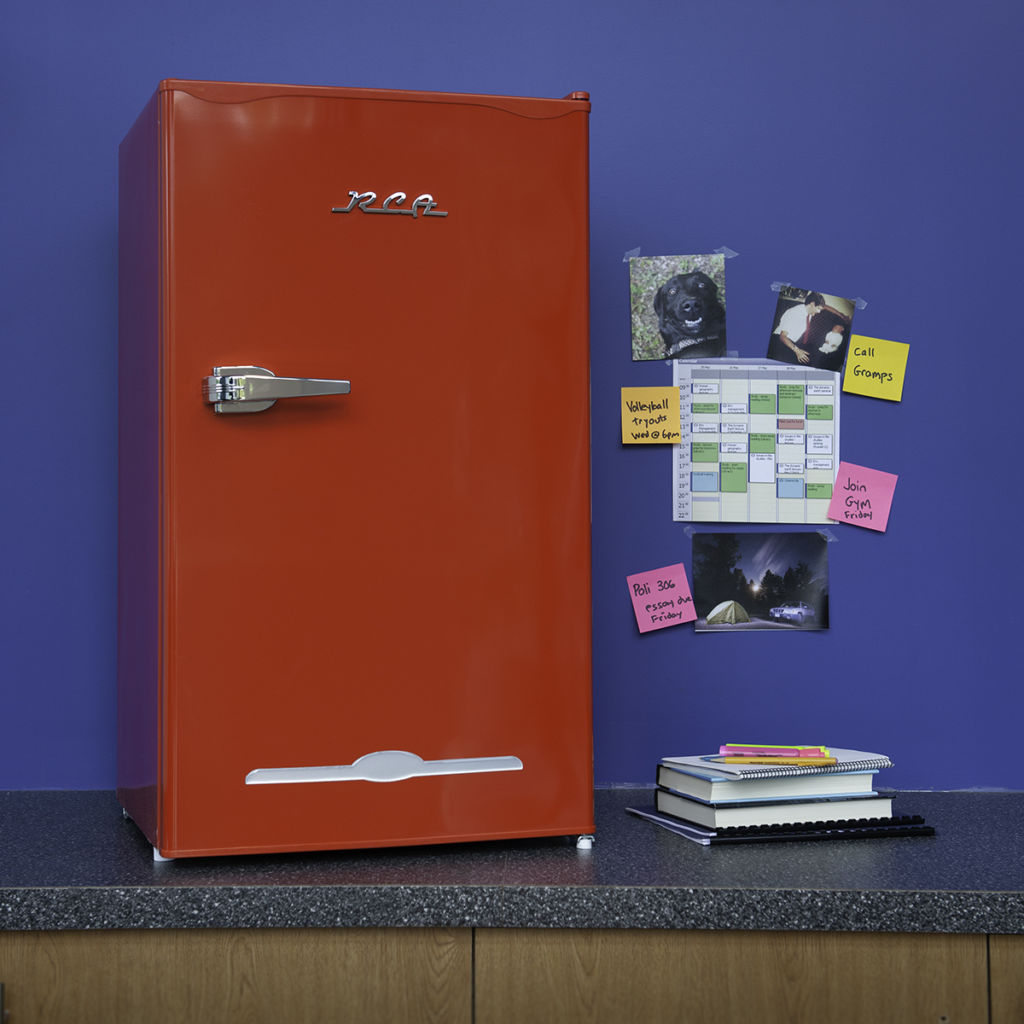
Mini-Fridge with Style

If you’re living in a residence without a kitchen, a mini-fridge is essential for keeping healthy meals and snacks on-hand. Some campuses allow you to rent one for the year, but if you don’t have that option, why not get a mini-fridge with style? This RCA Retro 3.2cuft fridge has personality and practicality.

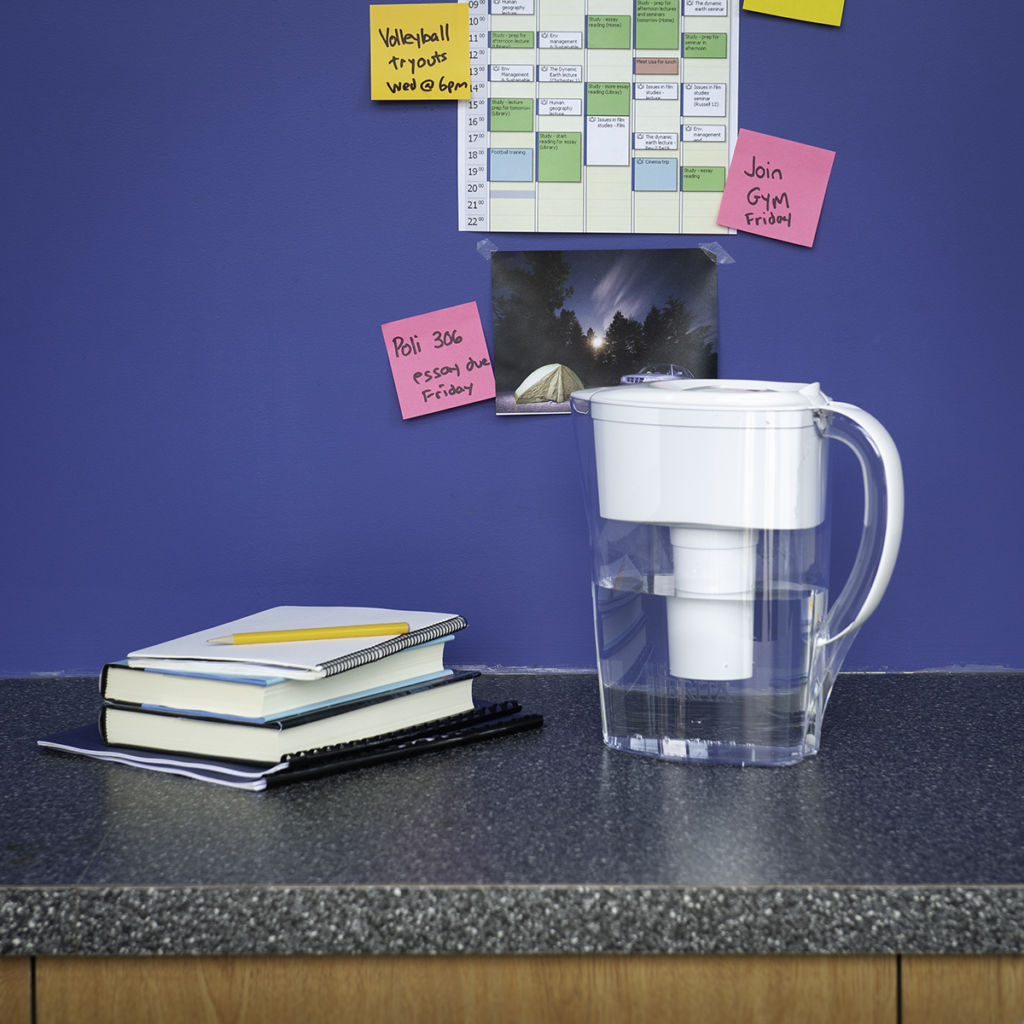
Space-Saving Water Pitcher

Hydration is key to staying healthy, so pop a Brita Space Saver Pitcher in that mini-fridge to have great tasting cold water on-hand for whenever you need it. Here’s a What’s the Green Deal? bonus fact: one Brita filter can replace 300 standard plastic water bottles!

Compact Coffee Maker

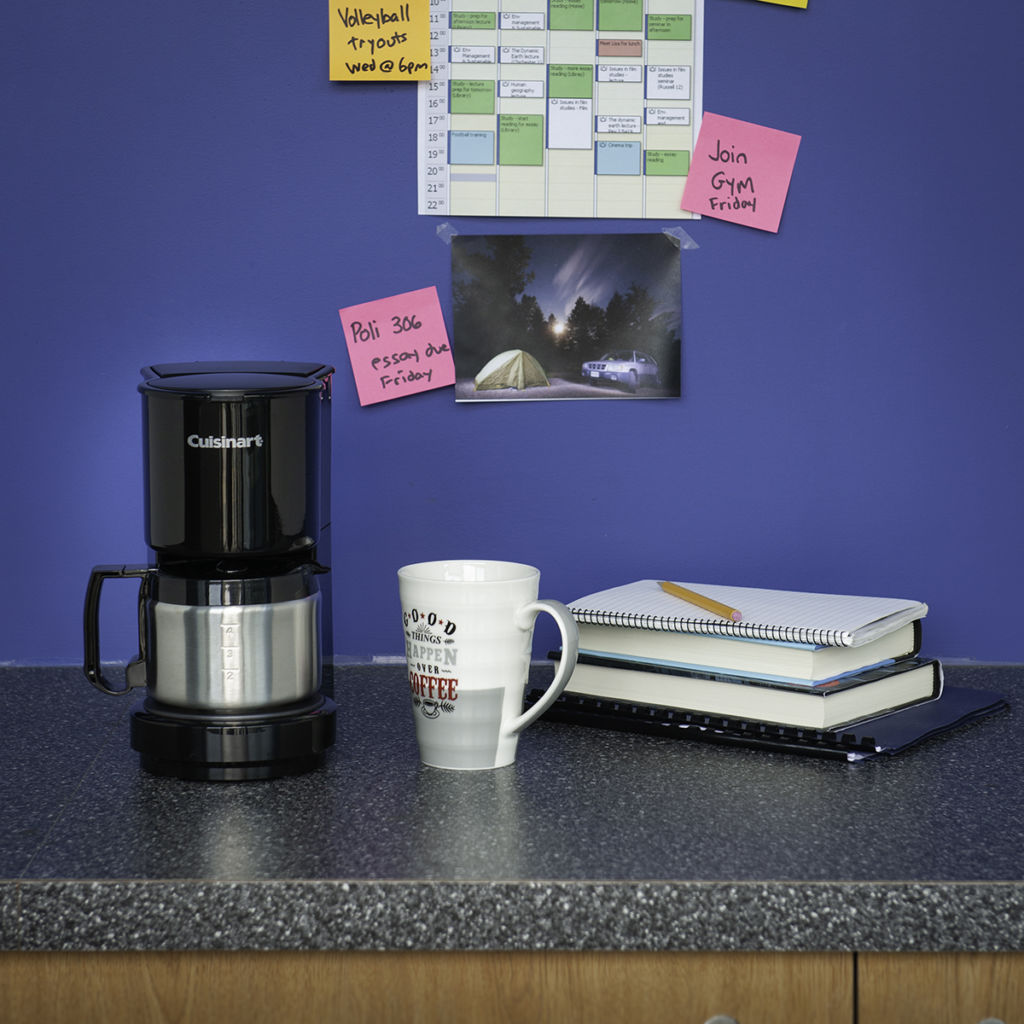
Now that you’ve got hydration covered, we know you’ll be needing some caffeine for those late-night study sessions and early mornings. Instead of spending all your money at the local café, you can make delicious coffee in your room, and take it on-the-go (bonus points for using a reusable coffee mug!). The Cuisinart 4-Cup Coffee Maker takes up very little counter space and is easy to store. Perfect for your tiny kitchen – or improvised kitchen.

Multitasking Multi Pot

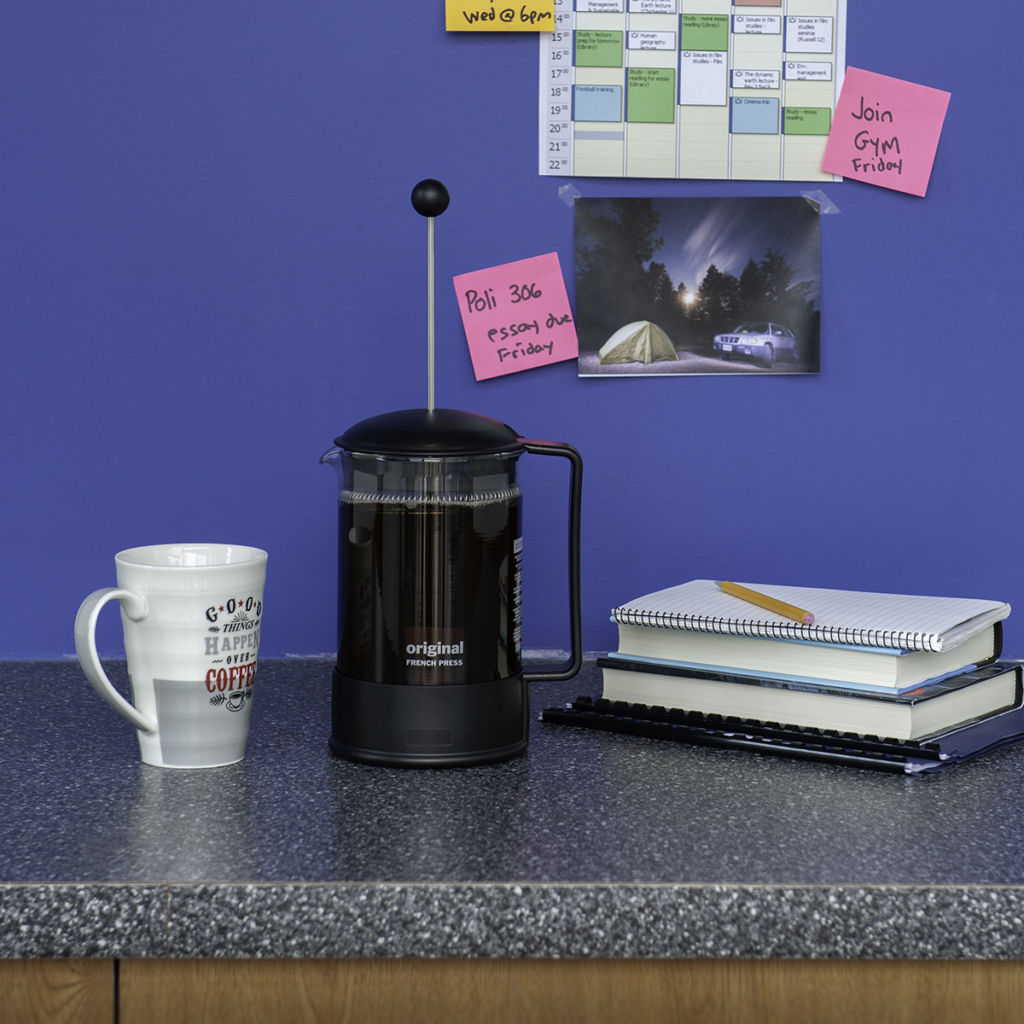
Unfortunately, not all residences allow in-room coffee makers, so you might need to be a little more creative. Some might say a kettle, but an even more versatile option to consider is the Salton Multi Pot -1L. It can boil water, and cook your favourite dishes like pasta, soups, rice and more. Use it to boil water, then you can use the Bodum Brazil French Press to make your coffee. Or if you’re late for class, the Bodum Travel Coffee Press serves as both a French press and travel mug, for that dash to class.


Induction Cooktop

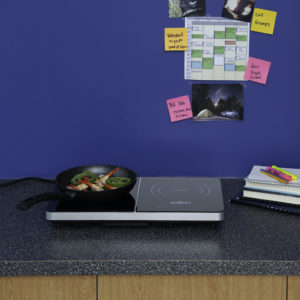
You won’t always have time to cook, but when you do, you can make the most of it with the right appliances. If your place doesn’t have a stove but does have a counter, the Salton Double Induction Cooktop will transform your bite-size kitchen into the hippest little eatery on the block. (Again, be sure to get permission as not all residences allow cooktops in rooms).

8-in-1 Multicooker

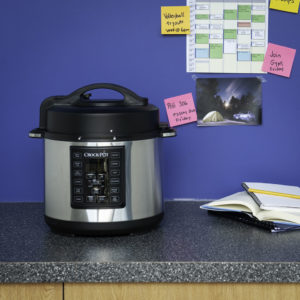
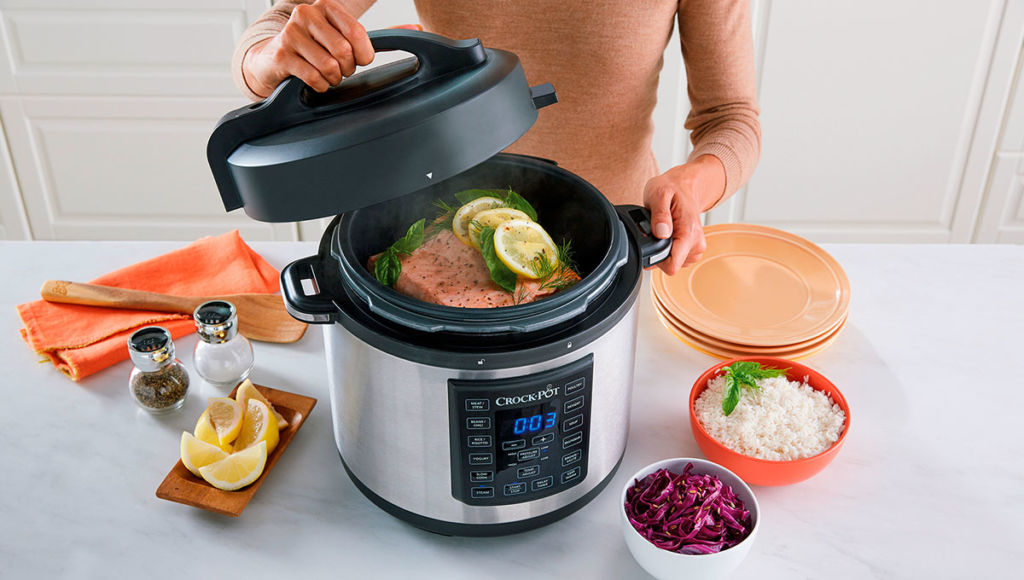
Can’t have a cooktop? A multi-cooker pot can give you a ton of options for cooking in your little home. With the Crock Pot Express 8-in-1 multicooker, you can whip up soups, stews, chilli, rice, steamed vegetables, mac & cheese, pulled pork, oatmeal, fruit cobbler, butter chicken, enchiladas – even cheesecake! With one of these on your counter, you’ll be the Gordon Ramsay of your floor.

Handy Blender & Dicer

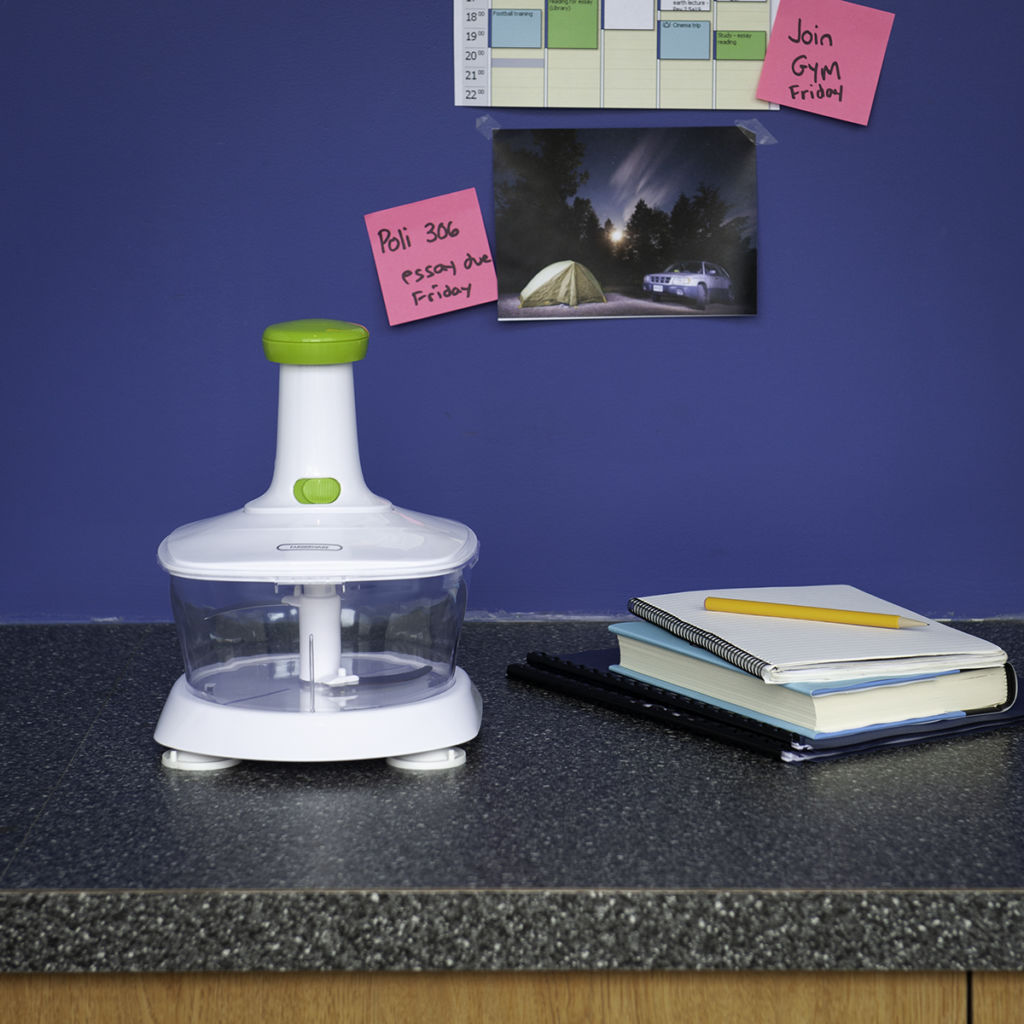
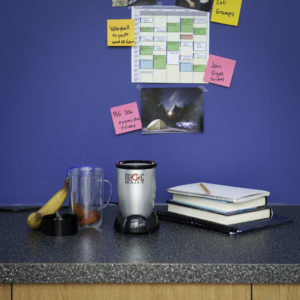
Another multi-tasking must-have for a small space is the Magic Bullet. This little wonder gadget can chop, mix, blend, whip, grind, and more- all in just 10 seconds or less. You’ll be able to put together the fastest, tastiest meals ever, as well as super quick and healthy smoothies for quick breakfasts and impromptu study sessions with friends. Another specialized dicer is the Farberware Pro Rice’n’Slice. This handy tool spares you from having cauliflower pieces all over your dorm while dicing cauliflower rice. Its convenient function allows for quick and easy dicing of veggies, and it doesn’t need electricity in case there is no plug within reach.

Healthy Popcorn Popper

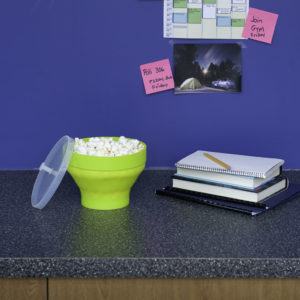
Speaking of studying, you’re going to need snacks. And lots of them. Instead of reaching for the aforementioned chips, make sure to stock your room with healthy snacks that you won’t regret eating while you’re nose is in a textbook. Popcorn is a fun study food, but packaged microwave popcorn can be full of fat and oil, so keep it light with the FlavorQuik Microwave Popcorn Popper. Its unique shape uses steam heat instead of oil or butter to give you a healthier snack in just minutes, and it’s collapsible, so it’s easy to store.

Mistake-Proof Cooking Thermometer

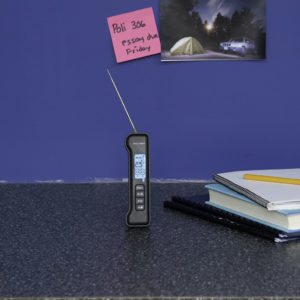
Never cooked before? Fret not! The Accutemp Instant read thermometer will ensure your food is always cooked just right. Its digital interface and fold-up design make it simple and compact, taking the guesswork out of cooking.

As you prepare to tackle another year of hard work, great friends and fun adventures, hopefully these kitchen gadgets will make busy campus life a breeze.

Sunscreen Safety: 5 Things You Need To Know

Sun Care Safety London Drugs Chemical Mineral Sunscreen

Sunscreen is one of those things we are supposed to apply liberally to our arms, legs, face, and our kids. So, what’s actually in it? How does sunscreen work? Are some sunscreens ‘greener’ than others?

Here’s a little summertime reading for anyone planning to protect themselves from the sun—5 things you need to know about sun safety.

1. Understand the two types of sunscreen

Mineral sunscreen creates a layer of particles (zinc or titanium oxide) that deflect the sun’s rays.

  • Effective immediately
  • Does not degrade from UV exposure
  • Does not penetrate the skin
  • Also effective against UVA rays
  • Safe for use in coral areas

Chemical sunscreen uses compounds that absorb the sun’s rays, turning them into non-damaging wavelengths.

  • Easy to apply, non-whitening
  • Requires wait-time to be effective
  • Chemicals can penetrate skin
  • Chemicals degrade when exposed to UV
  • May harm coral reefs

2. Know what’s in your chemical sunscreen

Chemical sunscreens typically contain a combination of two to six of the following active ingredients:

  1. Oxybenzone
  2. Octinoxate
  3. Octisalate
  4. Octocrylene
  5. Homosalate
  6. Avobenzone

Recently, concerns have been raised about long-term safety of some of these ingredients, particularly oxybenzone (benzophenone-3) which, in addition to sun protection, acts as a penetration enhancer. This chemical has been linked to allergies, hormone disruption, and cellular damage. Oxybenzone is present in over 500 other North American cosmetic items.

Remember to watch the spray! Spray sunscreens have increased in popularity, but some experts don’t recommend them because of the hazard of inhaling chemicals and particles.

3. Look for broad spectrum protection

The suns rays come in different lengths, and it’s a good idea to protect against them all. UVA radiation goes deeper into the skin (dermis), causes premature aging and wrinkles, and causes tanning. UVB radiation affects the skin’s surface (epidermis), contributes the most to burning of the skin, and damages your eyes.

4. Is higher SPF better?

People assume that they get twice as much protection from SPF 100 sunscreen as from SPF 50. In reality, the extra protection may be negligible. Used correctly, sunscreen with SPF values in the range of 30 to 50 will offer adequate protection, even for people most sensitive to sunburn. UV protection does not follow a linear relationship, meaning that if you apply half of the recommended amount you get less than half of the labeled SPF protection.

5. Protect the ecosystems and coral

There are biodegradable and reef safe options. 25 to 60 million bottles worth of sunscreen wash off into coral reef areas each year, and researchers have found that common sunscreen chemicals can be toxic to coral health. Hawaii has passed a law that will ban the sale of sunscreens that contain oxybenzone and octinoxate. Sunscreens with titanium oxide or zinc oxide—natural mineral ingredients—have not been found to be harmful to corals. If you are swimming in nature, choose one of these options.

London Drugs is pleased to offer a range of green sunscreen options. Here are some choices that protect as sustainably as possible:

Attitude Mineral Sunscreens
Mineral- based protection: Non-nano Zinc Oxide
Ecologo Certified™
Vegan, not tested on animals
UVA, UVB protection
Made in Canada

Aveeno Mineral & Aveeno Baby
Mineral based protection
UVA, UVB protection

Badger Sunscreens
Non-Nano Zinc Oxide Mineral Protection
Biodegradable
87% organic ingredients
UVA, UVB protection

Boo Bamboo Natural Sunscreen
Active ingredient: Zinc Oxide, Titanium Oxide
UVA, UVB protection
Made in Canada

Goddess Garden
Certified organic
Non-Nano, Reef Safe, Non-GMO, Biodegradable
Vegan, Cruelty Free, Paraben and Phthalate Free
UVA, UVB protection

Green Beaver
Non-nano zinc oxide and titanium oxide mineral protection
100% natural, biodegradable and reef friendly
Made in Canada
UVA, UVB protection

Neutrogena Sheer Zinc
Active ingredient: Zinc Oxide
UVA, UVB protection


If you want to learn more, visit greendeal.ca for blogs, videos, articles, and products to help you live a little greener.

Tips on Getting a Full Night’s Sleep

Tips for Getting a Better Night's Sleep

Is a lack of sleep messing with your mojo? You’re not alone. Thirty percent of adults claim to have trouble sleeping, says London Drugs Pharmacy Manager Gianni Del Negro. And up to 10 percent of those are experiencing problems during the day because of their sleep difficulties.

Understanding Your Sleep Problem and its Cause

Understanding how and where your sleep is going awry is the first step to finding a solution.

Sleep problems come mainly in three different categories:

  • Difficulty falling asleep
  • Waking up in the middle of the night and not being able to get back to sleep
  • Inability to get into a deep, restorative sleep

There are many reasons you could be experiencing sleep problems, says Del Negro, including medical conditions such as sleep apnea or asthma, pain resulting from certain conditions, stress or depression, or even medications you’re taking.

Poor sleep is often a result of poor sleep habits, particularly the use of electronics too close to bedtime, or too much caffeine, nicotine or alcohol late in the day.

While a few nights of bad sleep might not hurt too much, prolonged poor sleep can have severe consequences, including a weakened immune system, obesity and risk of accidents at work or on the road.  

Help for Better Sleep

The first step is to ensure you maintain a regular sleep routine, which means waking up at the same time and going to bed at the same time every day. Yes, even on weekends and holidays.  

Other lifestyle habits such as regular exercise and winding down a couple of hours before bed can also help in the sleep department.

While Del Negro says it’s always best to try non-medicinal ways of promoting sleep, if nothing is working, pharmaceuticals can help you get some much-needed rest.

One category of short-term sleep aids you can try is Diphenhydramine, which is an antihistamine that causes drowsiness. You’ll find it in products such as Benadryl, Sleep-eze and NyQuil.

Melatonin is another product you can try for better sleep. It’s most effective for resetting your body clock in the event of jet lag or shift work.

Finally, valerian root is an herbal supplement that can promote faster and better quality sleep. But be aware that it can have some side effects and may not be safe to take with other medications. Please consult your doctor before taking it.

If you’ve tried all of these remedies and you still can’t sleep, come speak to a pharmacist at your local London Drugs. We can help!

Fun Ways to Keep Cool

Fun Ways to Keep Cool This Summer

It’s finally here. Summer. The season we’ve waited for all year. Those long, lazy hot weather days we’ve been dreaming about are here, and well, now we’re feeling a little sweaty. And lazy. And we just don’t want to expend a whole lot of energy doing much of anything at all. Much less keeping cool.

But there are so many fun and easy ways to cool down while you chill out this summer. Here a few of our favourite ways to keep cool when the temperature soars.

Play in the Spray

You’ve seen inflatables decorating the neighbourhood during the holidays. Now they’ve found new purpose in the summertime: as sprinklers. That’s right, these inflatable sprinklers aren’t just cute, they’re also functional, and will bring out the play while you get your spray on.


Keep cool in an inflatable kayakGo Boating

A cool sea-breeze may be just the thing you need to cool down, and you can search for the best coastal breezes in your single-seat kayak. Get paddling!


Keep Cool with a Pool FloatieOr Floating

If the pool is your preference, bring your A-game with a fun and funky floatie for you, or for the whole gang! Splish splash!


Keep Cool with a Sun UmbrellaMake Some Shade

Sometimes you’ve just got to sit down and relax. But if you want it made in the shade, and your yard has other ideas, you’ll need to create your own little shady spot with a sun umbrella that’ll make lounging a lot less sweaty.


Keep Your Drinks CoolPack a Cooler

There’s nothing like an ice cold drink on a hot day, but keeping it cool can be a challenge. And going inside for a refill isn’t always feasible, especially if you’re spending the day at the park or the beach. That’s why packing a cooler is essential – Just don’t forget the ice packs!


Explore our full outdoor living selection for more ways to have fun — and keep cool — in the sun.

Tips to Make Your Summer Road Trip Awesome

How to make your summer road trip awesome

You can already hear the chorus and you haven’t even left home yet, “Are we there yet?”

If you’re contemplating a summer road trip with the family, you’re probably both excited and a bit apprehensive. After all, summer road trips are great for memory building, but they can also bring out a whole lot of whining if you’re not adequately prepared. That’s why we’ve gathered some tips to help you make your summer road trip the best kind of memorable.

Safety First

Before heading out on the road, make sure your car is road worthy. Get your fluids topped up, do an oil change and check your tires and air filters. You may want to get a safety inspection done to minimize the chances of a car breakdown mid-trip. Also, put together an emergency travel kit with any first aid supplies you might need.

Stock up on Snacks

Stock up on snacks for the long haul so you can minimize having to pull over for less-than-healthy food. Granola bars, rice cakes, nut mixes, crackers, dried fruit — these will all hold up well over long distances and hot temperatures. While you’re stocking up, set aside a bag for recycling so you can save your wrappers and bring them back to London Drugs. And don’t forget to fill a bunch of water bottles. You can freeze them the night before you leave so they’ll stay cold the next day.

Bring the Entertainment

All great road trips need great tunes and fun games. Before you leave, make a playlist with songs everyone in the family will enjoy. Then, load your smartphone with apps and your car with games that’ll keep all your passengers busy and well entertained. You could even try some good old fashioned games like i-spy or round robin to while away the time.

Make it Comfy

Long hours in a car are made infinitely easier with some of the comforts of home, like pillows, blankets and kids’ favourite stuffies and toys. Passenger window sunshades can be helpful to shield sensitive eyes from the bright sun and a windshield sunshade will keep the car cool when you’re out exploring.

Get Travel Insurance

Whether you’re staying close to home or travelling further afield, you never know when illness or accidents might happen. Ensure you’re covered in case of emergency with travel insurance for you and your family.

With all this taken care of, you’re almost ready to hit the road, Jack! Pack light, plan your route, and get ready to have the road trip of a lifetime!

Must-Have Barbecue Basics

‘Tis the season for outdoor cooking! And there’s something so special about food cooked on an open grill, isn’t there? It’s not only a sign that summer is here, but also an invitation to finally indulge in those long, hot days capped off with dinner on the grill and the lingering summer nights we’ve been craving all year long.

But before you bust out the burgers and buns, here’s a helpful checklist to make sure you’ve got everything you need to get your grill on.

Must-have BBQ Basics

Essential Grilling Tools Checklist

The Grill

There are two main types of grills to choose from: those fueled by charcoal and those fueled by gas. Purists will say that charcoal is the way to go for authentic-tasting grilled meals, but propane can definitely be more convenient, as long as you’re stationary. If grilling on the go is what you’re after, then go for a charcoal grill.

Learn more about our grill options.

Grilling Tools

You don’t need to go too crazy when it comes to grilling tools, but there are a few essentials every BBQ master should have in their arsenal:

  • Tongs — You’ll reduce the chances of losing delicious food through the grill slots if you invest in a solid pair of tongs.
  • Meat thermometer — Don’t take any risks — make sure your meat is always perfectly cooked
  • Grill brush — Finally, it’s always a good idea to clean your grill when you’re done with it, so get a good grill brush to make the job easier

Other items you might find useful include grill mitts and a grill light, especially if you like to enjoy your meals later in the evening.

A Few More Things to Make the Grilling Life Awesome

  • A patio set — Sure, you could bring the food inside to eat, but food cooked outdoors is best enjoyed outdoors — especially on a gorgeous patio set.
  • Outdoor lighting — A twinkling set of patio lights adds a little ambiance when daylight starts to fade. Unless, of course, you’d prefer to dine by the light of the moon.
  • A cooler — If you’re going camping or simply heading to a BBQ at the park, a decent cooler will keep everything organized and easily portable.
  • A fire extinguisher – Because, well, accidents can happen.

All you need now is the food. Happy grilling!

5 Ways to Improve the Indoor Air Quality in Your Home

How clean is the air in your home?

We don’t always think about the air we breathe indoors, but we should. In fact, NASA has proved the air inside can be 30 times more toxic than the air outside. There are lots of possible air pollutants on any given day — lingering particles from cooking, dust from heating vents and fireplaces, cigarette smoke, perfume or cosmetic residue, and even just good old fashioned regular dirt and exhaust from leaving windows open in summer. It’s enough to send anyone’s allergies and sensitivities into a sneezing fit.

We’ve collected five easy things you can do to keep on top of these allergens and pollutants to improve the air quality in your home.

Now that’s a breath of fresh air!

5 Ways to Improve the Indoor Air Quality in Your Home


1. Air purifiers

Air purifiers are an easy way to clean the air in your home for even the busiest families. Once you choose a model that fits your aesthetic, lifestyle, and price range, place the unit in the room you spend most time in. Then simply turn it on and walk away!

Pro tip: Replace the filter more often than 6 months when the air quality is particularly bad. For example, during forest-fire season you should replace it more regularly. Monitor and replace as necessary.


2. House plants

If you’re looking to not only detox the air indoors but beautify your space too, bring the outside, in! In the same study NASA completed about indoor air quality, it also revealed many house plants that scrub and purify indoor air of common pollutants. Each one has different light and water requirements, so pick a few that will do well in your own home, and go green for cleaner air!

Some recommended house plants include:

  • Aloe Vera
  • Chrysanthemum
  • Devil’s Ivy
  • Dracaena
  • English Ivy
  • Ficus
  • Flamingo Lily
  • Many palm varieties including Areca, Bamboo, Dwarf Date, and Raphis
  • Peace Lily
  • Snake Plant
  • Spider Plant

5 Ways to Improve the Indoor Air Quality in Your Home


3. (De) Humidifiers

Depending on the humidity level in your home, (de) humidifiers can be useful tools!

Keep in mind if too much moisture is released into the air it can stir up dust mites and create mould, making the air quality worse and thereby causing allergic reactions. If it’s too dry, viruses and airborne toxins thrive. So choosing a humidifier or dehumidifier depends on your unique air quality.

Whether you choose to add moisture to the air or remove it, Health Canada recommends keeping your home’s humidity level between 30 and 50 percent. This will also make the air feel warmer during winter months, helping you use less energy to heat your home.

And of course, be sure to clean your unit regularly to ensure it works effectively and safely.

5 Ways to Improve the Indoor Air Quality in Your Home


4. Clean

When it comes to indoor air quality, preventing the build-up of toxins can easily be remedied with some good old fashioned elbow grease. That is, cleaning.

With our busy schedules it can be difficult to find time to clean every surface in our homes, but dividing up the house-cleaning schedule among family members can make the weekly chore list easier and faster.

In terms of avoiding air pollutants, there are some spaces in your home that can have a bigger impact on your air quality than others:

  • The air conditioning unit
  • Dryer lint traps
  • Clothes and bed sheets
  • Flat surfaces

By wiping these down with your trusty cleaning supplies, you’ll remove dust mites, dust build-up, and all kinds of pollens that blow in from outside. And be sure to use eco-friendly cleaning products! You’ll not only avoid harsh chemicals, which are common indoor air pollutants, but they’re easier on our systems, our homes, and our planet.

Pro tip: Keep areas cleaner and minimize build-up by removing your shoes at the door so you don’t track in what your soles have brought inside. And if you smoke, go outside and close the door behind you.

5 Ways to Improve the Indoor Air Quality in Your Home


5. Aromatherapy and salt lamps

Finally, science has shown aromatherapy and salt lamps can help eradicate airborne bacteria, fungi, and according to some, the flu virus. This is especially true of eucalyptus, citrus, clove, lavender, and tea tree oils.

Simply add the recommended amount to your diffuser, turn it on, and ultrasonic diffusion will disperse essential oils. Within 30-60 minutes you’ll have cleaner indoor air!

Plus, by using aromatherapy and salt lamps, you get the added benefit of not just beautiful smelling air (bye-bye unwanted odours,) but essential oils can help relax your mind and body as well. It’s a win win win!

5 Ways to Improve the Indoor Air Quality in Your Home


If you need help or advice on how to purify the air in your home, we can help! Stop by your local London Drugs and talk to our in-store experts – we’d love to see you!

« Previous Page Next Page »