
Love Your Heart: Preventing Heart Disease

Heart disease remains one of the leading health challenges facing Canadians today—but the good news is that many risk factors can be prevented or improved with the right knowledge and support. From understanding key health numbers to making simple lifestyle changes, here’s how you can take meaningful steps to protect your heart.

1. Heart Health: Quick Facts

Heart disease is more common than most people realize. Here are a few important insights:

  • Over 2.6 million Canadians are living with diagnosed heart disease.
  • Heart disease is Canada’s second leading cause of death, after cancer.
  • 9 in 10 Canadians have at least one risk factor for developing heart disease.
  • Men are typically diagnosed 10 years earlier than women.
  • Many risk factors are preventable, and early screening can significantly reduce your risk.

2. Know Your Numbers: Key Indicators for Heart Health

A. Know Your Blood Pressure
High blood pressure is the most common preventable risk factor for heart disease and is linked to nearly half of cases worldwide. Hypertension Canada recommends:1. Use a validated automated blood pressure monitor

  • Only 45% of online‑sold monitors are validated for accuracy.
  • 90% of monitors sold in community pharmacies, including London Drugs, meet Hypertension Canada’s validation standards.
  • Your pharmacist can recommend the right device and teach you proper technique.

2. Know your blood pressure target

  • Most adults should aim for below 130/80 mmHg (2025 Hypertension Canada Guidelines).
  • Your target may vary based on age, health conditions, and your doctor’s recommendations.
  • If your readings are consistently high, your healthcare provider may prescribe medications to help manage it.

B. Know Your Sugars (A1C)Your Hemoglobin A1C test shows your average blood sugar over the past 2–3 months.

Targets:

  • A1C below 6.0% for people without diabetes
  • A1C 7.0% or lower for most people with diabetes

People with diabetes are 2–4 times more likely to develop heart disease.

Screening:

  • Adults over 40 should have glucose screening every 3 years.
  • Those at higher risk may need more frequent tests.

C. Know Your Cholesterol

Cholesterol is essential for many body functions, but too much can contribute to plaque buildup and block blood flow to the heart and brain.

  • Two types: LDL (“bad”) and HDL (“good”)
  • Chronic high cholesterol increases the risk of heart attack and stroke
  • Regular screening begins at age 40, or earlier if you’re high-risk

If medication is needed, your provider may prescribe treatments that reduce cholesterol production or absorption.

3. Know Your Risks: Steps to Lower Heart Disease Risk

Some risk factors can’t be changed, like age or family history—but many can. Here’s what you can focus on:

✓ Eat a balanced, heart‑healthy diet

  • Follow Canada’s Food Guide
  • Diets like Mediterranean or DASH help lower heart disease risk

✓ Move your body regularly

  • Aim for 150 minutes of activity per week
  • Include muscle‑strengthening exercises
  • Reduce long periods of sitting

✓ Maintain a healthy weight

Being over‑ or under‑weight increases heart disease risk. Balanced nutrition and movement help you stay within a healthy range.

✓ Prioritize sleep

  • Poor sleep affects blood pressure, weight, and blood sugar.
  • Aim for 7–9 hours nightly.

Tips:

  • Keep your room cool, dark, quiet
  • Maintain a consistent schedule
  • Avoid screens before bed

✓ Quit smoking

Smoking damages blood vessels and accelerates plaque buildup. Your London Drugs pharmacist can:

  • Help identify triggers
  • Build a personalized quit plan
  • Provide nicotine replacement and other treatments
  • Offer ongoing support

✓ Limit alcohol

Health Canada’s guidance states:

  • No amount of alcohol is risk‑free
  • More than 3 drinks/week increases cancer risk
  • More than 7 drinks/week increases heart disease and stroke risk

Reducing intake lowers your risk.

4. Know Your Team

Your heart health journey doesn’t have to be one you take alone. London Drugs pharmacists partner with doctors, specialists, and other healthcare professionals to help you:

  • Understand your risk factors
  • Monitor key health numbers
  • Choose validated health devices
  • Access medications and treatment options
  • Stay motivated and supported

Speak with your pharmacist today to learn how we can help you protect your heart and achieve your long-term health goals.
How to Measure Your Blood Pressure at Home Accurately

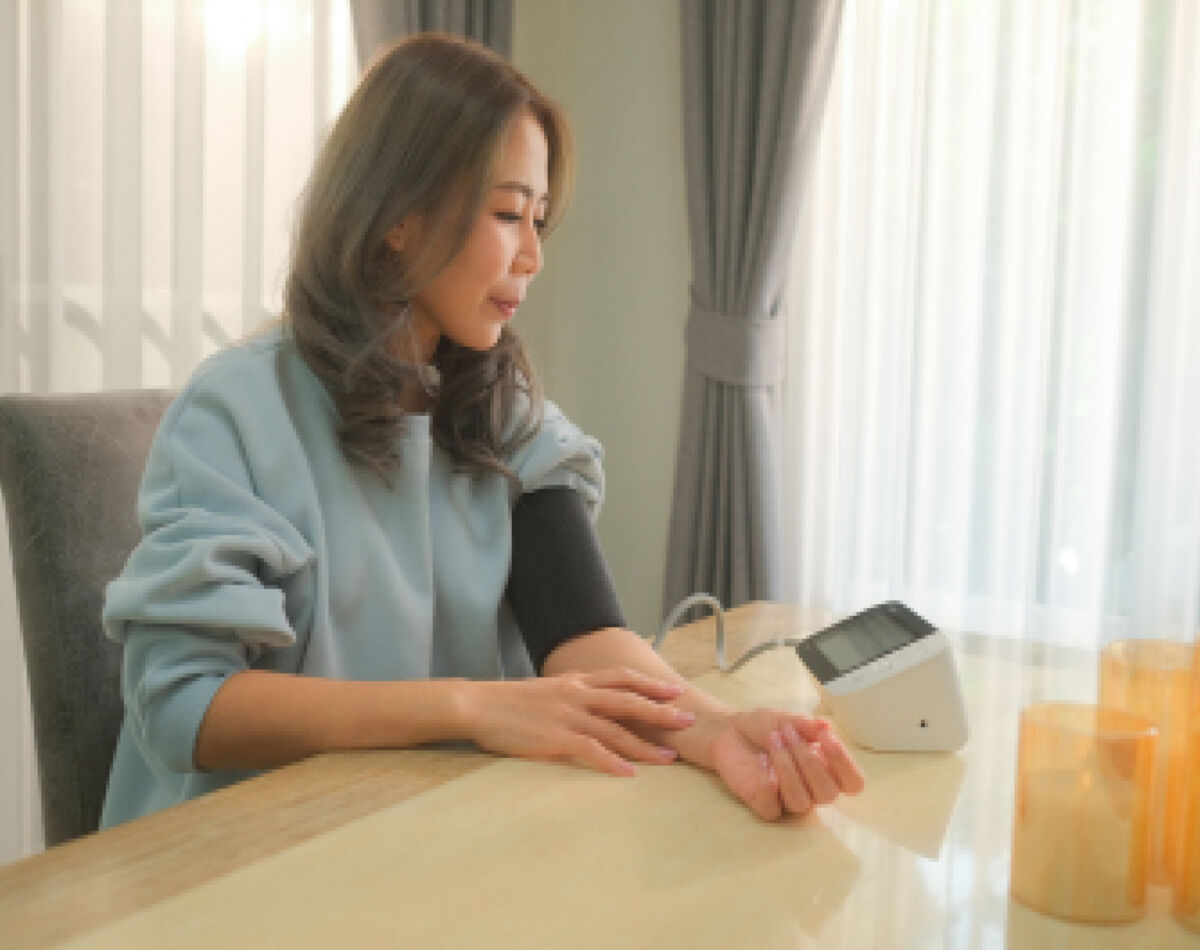
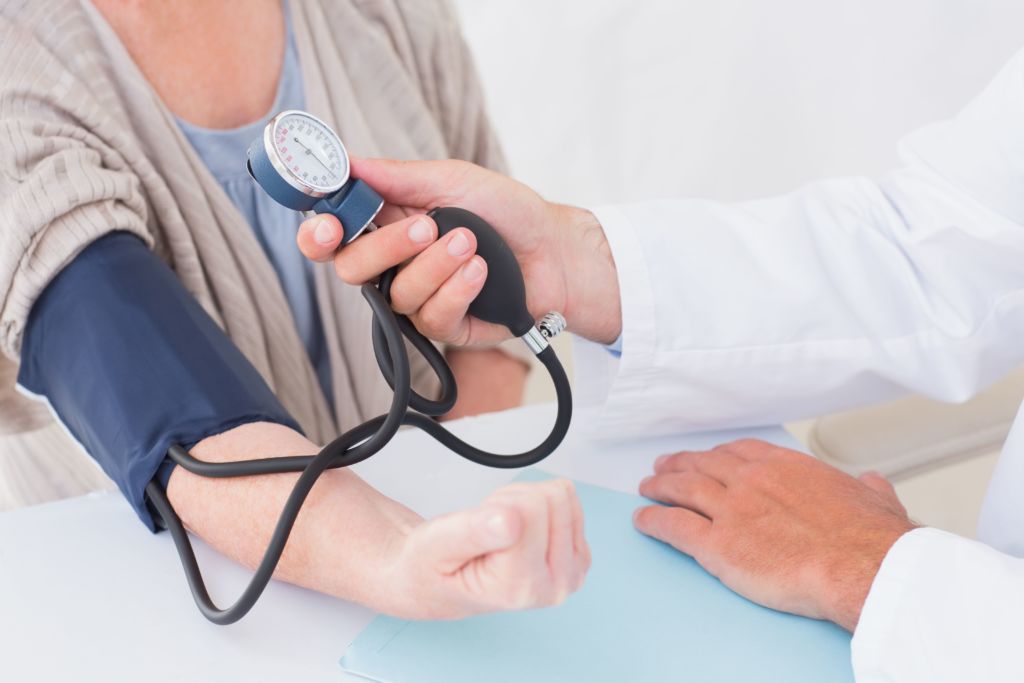
Stay on top of your heart health by staying on top of your blood pressure. Monitoring at home can be easy, reliable, and incredibly helpful for you and your healthcare team. With the right device and a few simple habits, you can get consistent results that give a true picture of your heart health. Let’s break down how you can measure blood pressure accurately in the comfort of your home!

Below, we break down everything you need to know — from choosing a validated monitor to setting up the perfect testing routine.

Simple Steps for More Accurate Readings

1. Choose the Right Blood Pressure Monitor

Using a validated device is the foundation of accurate home measurements.

Pick an upper‑arm, fully automated monitor
These provide the most reliable readings and are simple to use.

Ask your pharmacist for help selecting a device
They can guide you toward models that fit your needs.

Look for the Hypertension Canada Recommended Equipment Seal
This ensures the monitor meets accuracy standards. You can also browse approved models on the Hypertension Canada website.


2. Make Sure the Cuff Fits Properly

A poorly fitted cuff can lead to inaccurate results.

Check the cuff size
Most devices include a standard medium cuff, but small, large, and extra‑large cuffs are available.

Use the markings on the cuff
They’ll help confirm if the cuff is the right size for your upper arm (not too loose or too tight).


3. Measure Blood Pressure at Consistent Times Each Day

Routine matters — try to take readings at the same time daily.

Every morning:
After using the bathroom, before breakfast, and before taking morning medications.

Every evening:
Either before dinner or a few hours afterward.

Before measuring:
Avoid smoking or tobacco products, eating, or drinking alcohol for at least 30 minutes.
Wait 1 hour after intense exercise.


4. Set Up the Right Testing Environment

Choose a quiet place where you can sit comfortably at a table.

Before you start:

  • Rest quietly for at least 5 minutes
  • Do not talk
  • Sit with your back supported and both feet flat on the floor
  • Avoid crossing your legs

Prepare your arm:

  • Rest it on a table, bare (no tight sleeves)
  • Position the cuff 2–3 cm (1 inch) above your elbow crease
  • Ensure the tubing runs down the inside of your arm toward the monitor
  • Some cuffs include a guide to align with the brachial artery
  • The cuff should allow two fingers to fit snugly beneath the edge
  • Keep the middle of the cuff at heart level (use a pillow under your arm if needed)


5. Take Your Reading

If you’ve done all the above, then you’re ready to measure blood pressure …

Start your monitor
Press the ON button and remain still.

During measurement:
Breathe normally and avoid talking.

Take two readings
Wait 1 minute between them.

Track your results
Record both readings with date and time, or use a Bluetooth‑enabled monitor with an app for automatic tracking.

Share your results regularly with your healthcare provider.


Blood Pressure Targets

For most adults, the recommended overall target is below 130/80 mmHg, based on the 2025 Hypertension Canada Guidelines.
Ask your healthcare provider what goal is appropriate for you.

Need Help Choosing a Monitor or Measuring Correctly?

Your London Drugs pharmacist can help you pick the right device, explain how to use it, and support you in managing hypertension with medications or lifestyle changes.


Hypertension: Do you know your blood pressure?

Do you know your blood pressure? Hypertension, or high blood pressure, is a common health condition affecting about one in five adults in Canada. Alarmingly, around one-third of those with hypertension have uncontrolled blood pressure, and nearly one-fifth are unaware they have the condition. Because hypertension can lead to atherosclerosis – a major risk factor for premature death before age 65 – it is extremely important to be aware if your blood pressure is high and to take steps to manage it effectively.

Understanding the Risk Factors

If you are concerned that you or someone you care about may have hypertension, it is important to have your blood pressure measured and to also understand the risk factors. While your healthcare team can help assess your individual risk, common contributing factors include:

  • Family history (genetics): Hypertension often runs in families and is more common in some populations due to genetic and environmental factors.
  • Age: The risk of hypertension increases with age, particularly in women over the age of 55.
  • Dietary habits: Eating a diet high in sodium or low in potassium can significantly raise blood pressure
  • Excess body weight: Carrying extra body fat increases strain on the heart and blood vessels
  • Low physical activity: Regular movement is essential for heart health and for maintaining a healthy blood pressure.
  • Alcohol intake: Frequent or excessive alcohol consumption is linked to increased blood pressure.
  • Smoking: Tobacco use damages blood vessels and contributes to hypertension
  • Chronic stress: Ongoing stress can contribute to long-term elevated blood pressure.
  • Underlying health conditions: Conditions such as diabetes, kidney disease, or sleep apnea are closely linked to hypertension.

If you identify with one or more of these risk factors, speak with a healthcare provider or your pharmacist to help you manage your individual risks.

What Is Your Blood Pressure?  

Blood pressure is measured using two numbers. For example, a reading of 120/80 mm Hg is considered healthy for most individuals. The systolic pressure (top number) indicates the pressure when your heart contracts and pushes blood into your arteries. The diastolic pressure (bottom number) reflects the pressure when your heart relaxes and fills with blood. If either number is higher than optimal, corrective steps should be taken.

High blood pressure causes damage to blood vessels over time, especially if left untreated. This can lead to complications such as stroke, heart attack, eye problems, dementia, kidney disease, heart failure, or erectile dysfunction.

The ideal blood pressure target varies depending on your personal health profile:

  • For most people: below 140/90 mm Hg
  • For individuals with diabetes: below 130/90 mm Hg
  • For some people who are at high risk for heart disease: below 120 mmHg systolic

Your healthcare provider will guide you on the target that is right for you.

Monitoring Your Blood Pressure

Measuring your blood pressure at home can help you keep track of how well its being managed. Hypertension Canada has compiled a list of validated home monitors that meet current accuracy standards including a wide variety of models of arm and wrist monitors. View the list at https://hypertension.ca/public/recommended-devices. Or while shopping in store, look for recommended models with Hypertension Canada’s logo on the package. If you need help, your London Drugs pharmacist can help you select a monitor that will meet your personal needs.

When to take measurements

  • Before taking your blood pressure medication
  • Before breakfast or at least two hours after a meal
  • After emptying your bladder and bowel if needed
  • One hour after drinking coffee or smoking
  • At least thirty minutes after exercise

How to measure blood pressure

  • Sit quietly for 5 minutes before testing
  • Sit upright with your back supported
  • Keep your legs uncrossed and your feet flat on the floor
  • Apply an appropriate sized blood pressure cuff on your bare arm, with lower edge of cuff 3 cm (1 inch) above the elbow
  • Support your arm on a surface with middle of the cuff at heart level
  • Avoid talking, moving, or distractions during the measurement and breathe normally
  • Take 2 readings, one minute apart


How Can We Help?

You can’t treat a problem if you don’t know you have it. Raising awareness is the first step.

This spring and summer, select London Drugs locations will host Hypertension Awareness Clinics in partnership with Hypertension Canada, to help you learn more and to check your blood pressure. As part of your appointment, you may also choose to share your anonymous results with a global hypertension study conducted by the International Society of Hypertension. To date more than 100 countries have participated and more than 6 million individuals have been screened.

Speak to your London Drugs Pharmacist for advice on how to test your blood pressure and interpret the results. To find an appointment at a London Drugs Hypertension Awareness Clinic in your area, visit https://pharmacy.londondrugs.com/health-clinics/hypertension-awareness-clinics or ask at the pharmacy counter.

Getting Your Blood Pressure Checked Could Save Your Life

World Hypertension Day

Even though high blood pressure produces no symptoms, it puts millions of Canadians at risk of health problems including heart attacks, strokes, and kidney failure. That’s why hypertension is often referred to as the ‘silent killer’, and it’s the leading risk factor for death worldwide. Nearly one-quarter of Canadian men (24%) and women (23%) have the condition, according to the latest stats. Fortunately, a simple blood pressure screening can prevent serious health risks and even death.

May 17th is World Hypertension Day

With World Hypertension Day on May 17th, London Drugs pharmacists are reminding us all to get checked. This small action could be lifesaving if you’re one of the 7.5 million Canadians who have hypertension, or the 7.4 million more who have high blood pressure that will lead to hypertension without preventative action.

“Diagnosis and awareness of hypertension is critical to preventing future stroke, heart attack, and premature death,” says Gianni Del Negro, a Pharmacist at London Drugs. “A simple five-minute blood pressure check, easily accessible in the pharmacy, could help avoid the serious and deadly complications associated with hypertension.”

Detection of Hypertension is Easy

Luckily, detection of hypertension is straightforward and treatments are simple yet effective. London Drugs pharmacies offer complimentary blood pressure screening via in-store blood pressure kiosks, and pharmacists are available to discuss the results and answer any questions patients may have. They can also offer suggestions to minimize risk factors, which may include discussing changes to diet, fitness or lifestyle.

“Pharmacists are the most accessible health-care providers and we can offer advice for those who have high blood pressure or who are at risk,” explains Del Negro. “The sooner people are screened, the sooner we can begin working with them, and their physician, to find ways to reduce their risk.”

Home Monitors for Hypertension

Sharing readings from a home monitor with a pharmacist or physician is another way to monitor your health. At-home blood pressure monitors including those from Homedics, LifeSource, and Omron can help track your readings. Omron’s arm blood pressure monitor and wrist blood pressure monitor can even wirelessly transfer readings and track results with the free Omron Wellness App on your mobile device.

If you think you’re too young to start tracking your blood pressure, think again. New research shows that the vast majority (84%) of Canadians who have hypertension, are aware that they have the condition. Yet the research revealed the need for more awareness among younger Canadians; those aged 20 to 39 were much less likely to be aware of being hypertensive (65%) than those in older age groups. They were also less likely to be treated (55%) or to have their hypertension controlled (51%).

“This information underlines the importance of hypertension awareness and accessible blood pressure screenings to ensure Canadian adults, young and old, get their blood pressure checked,” says Del Negro.

To receive your complimentary blood pressure screening or to discuss your blood pressure results, simply visit the London Drugs pharmacy.