
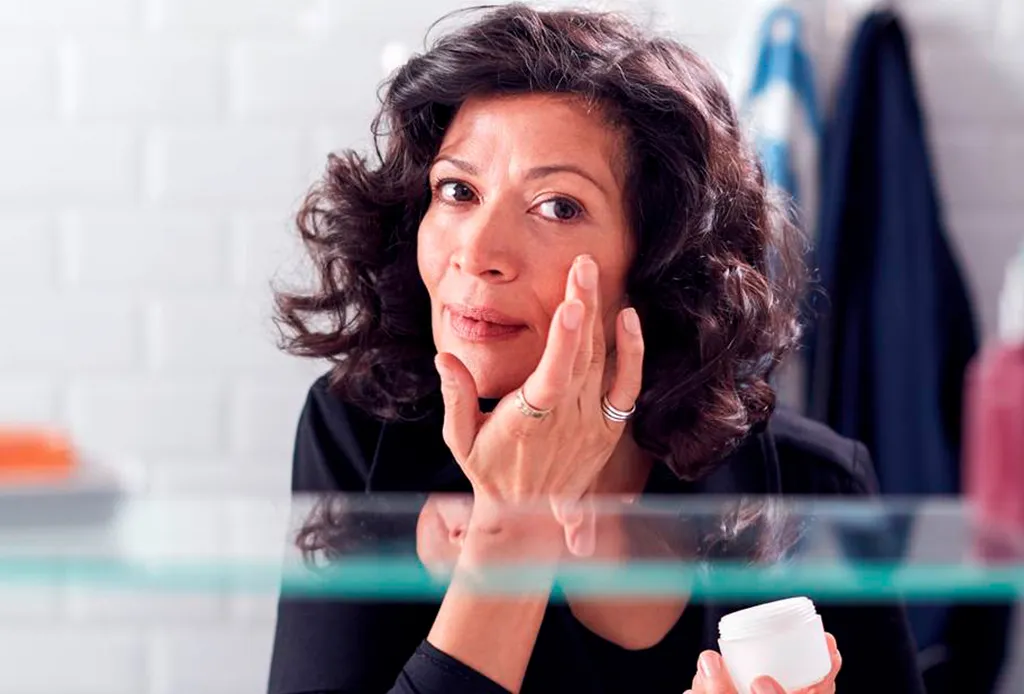
Winter Skin Care Tips: How to Protect Dry, Sensitive, and Eczema-Prone Skin

As the year moves on, the weather changes, and our skin care routine must change along with it. Colder weather and drier air can have a significant effect on your skin that may lead to dry, cracked skin and lips. Without proper care, this dryness can cause itching, flaking, and irritation.

The good news? You don’t have to change your entire routine or switch out every skin care product you currently use.  A few simple changes can make a big difference. Here are some winter guidelines that will help you adjust your routine to be more in line with what your skin needs in the colder months.

Getting clean
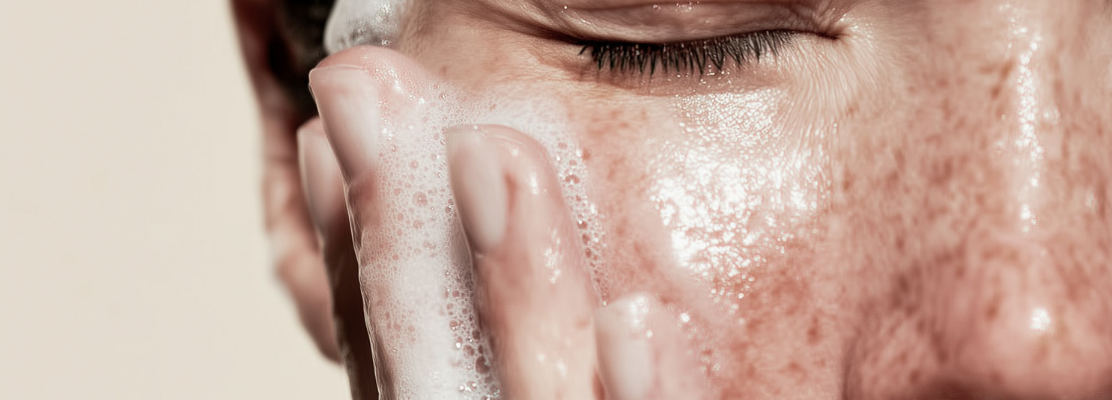
Wash your face morning and night every day and after sweating, but don’t over wash it. Depending on your skin, washing once a day in the evening may be enough. Over-washing can dry out your skin. If your skin feels tight or dry right after you’ve washed your face, it could be a sign that you’re washing it too often or using the wrong product. Choose gentle, fragrance-free cleansers that are designed for the face.

Consider washing your body every other day and only using soap on key areas like groin, underarms, and feet. Limit bathing sessions to 5 to 10 minutes and use warm (not hot) water. Even though your skin is in contact with water, long hot showers and baths can draw moisture out of your skin and wash away natural oils.

Use a moisturizer 

When you get out of the bath or shower, gently pat your skin dry and apply moisturizer and other products right away. This is the most effective time for your skin to absorb moisture and seal it in. You can duplicate this effect at other times by applying a thermal water spray before your other products.

Apply any medicated products or sunscreen to the skin first, directly onto clean skin; then apply a moisturizer. This ensures that active ingredients are properly absorbed and not blocked or diluted by the moisturizer.

Consider using a thicker moisturizer during cold weather, if your skin type can tolerate it. Creams, ointments, and oils are generally more moisturizing than lotions, as they form a protective barrier that helps prevent moisture loss.

The Canadian Dermatology Association recommends using moisturizers that contain ingredients such as lactic acid, urea, hyaluronic acid, dimethicone, glycerin, lanolin, mineral oil, petrolatum, or natural oils (e.g., sunflower seed oil or virgin coconut oil). However, for some people, these heavier products can increase the risk of acne breakouts or fungal infections. For help choosing skin care products that are suitable for your skin type, speak with a London Drugs pharmacist or beauty advisor.

Additional tips

  • Drink plenty of water to keep your body hydrated from the inside out.
  • Protect skin from cold and wind with a hat, scarf, and gloves.
  • Use gentle, fragrance-free soaps and cleansers for skin and laundry products.
  • Wear latex-free gloves for wet work or chemical exposure.
  • Moisturize hands after every hand wash.
  • Choose clothing with non-irritating fabrics made from natural fibers such as cotton or silk.
  • Consider using a humidifier to restore moisture in the air that is lost due to indoor heating.

Is it eczema?

Eczema, also known as atopic dermatitis, is a very common chronic condition that causes itchy, red, dry, or inflamed skin. People who have this condition have patches of very dry or cracked skin on their body that can be extremely itchy, especially at night. Commonly affected areas include the face, neck, inside of the elbows, behind the knees, and on the hands and feet.

Eczema is not contagious. Its cause may be linked to genetic factors (such as family history) or to environmental triggers like weather changes, stress, allergies, or contact with irritants.

Most cases of eczema can be managed with a routine of moisturizing consistently and using medications during flareups. Creams or ointments containing hydrocortisone or betamethasone are commonly applied to the skin to reduce inflammation. Antihistamines or allergy medications may help relieve itching. For severe cases, prescription medications can be used to suppress an overactive immune response and prevent flare-ups.

Expert advice

Speak to your doctor or pharmacist if you have persistent or long-standing dry skin. They can assess whether it may be due to your environment, a side effect from a medication, eczema, or another skin condition and recommend treatments.

In most provinces, pharmacists are now authorized to prescribe medications and treatments for eczema and can offer advice to manage your symptoms.

To learn more about pharmacist prescribing services in your province, visit londondrugs.com/prescribing or speak with a London Drugs pharmacist at any time.

Increase Your Chances of Quitting Tobacco and Nicotine

Written by: Madellyn Pauls, LD Pharmacist and Certified Tobacco Educator in Lethbridge, AB

I am often asked why I became a Certified Tobacco Educator. As a pharmacist with additional specialized training in smoking cessation, my answer is simple: I learned that nearly two-thirds of people who smoke want to quit within the next 6 months. And one-third are ready to quit now if they have the right support.  Knowing this motivated me to help provide the tools, education, and encouragement to people who need support with their quit journey.

Below are some of my top recommendations I give to clients who ask me about what can help them be successful when quitting smoking.

Support when you need it

Without support, quitting smoking can seem overwhelming for many. Studies show that attempting to quit “cold turkey” with no additional support may only have a 3 to 7% success rate at six months. However, there are proven tools and techniques that can significantly increase your chances of success.

Meeting with a healthcare professional or participating in individual or group counselling can significantly increase your chances of quitting and staying smoke-free. One study suggests that meeting one-on-one with a healthcare professional trained in smoking cessation can triple or quadruple your chances at becoming smoke-free, even without the use of medications.


Medications

Using the right combination of evidence-based products to help you quit smoking can make the process more manageable and increase your chances of success. Your pharmacist or doctor can help you navigate the choices available.

The most common option that people are aware of is Nicotine Replacement Therapy (NRT). NRT includes a variety of dosage forms – such as patches, gum, lozenges, inhalers, and sprays – that are supported by extensive safety data and are approved for use as smoking cessation aids. Other nicotine products like vaping and nicotine pouches may be less harmful than smoking cigarettes, but currently lack sufficient evidence as effective smoking cessation aids. However, speak to your pharmacist to learn what NRT choices are best for you.

Using NRT can double or triple your chances of quitting smoking while helping you change smoking-related habits. One of the most effective approaches is to use a combination of NRT products. This involves using a long-acting nicotine patch to provide a steady level of nicotine throughout the day to control most cravings, along with a fast-acting nicotine option like gum, lozenges, spray, or inhaler to manage strong cravings as they arise.

Be sure to read the package instructions carefully or speak with a pharmacist to ensure proper use of NRT to minimize side effects. For example, nicotine gum is not chewed like regular gum. It should be chewed a few times until the taste is strong, indicating that some nicotine has been released, then rest the gum in your cheek until the taste has faded, then chew it again. Each NRT gum is meant to be used over a 30-minute period. Chewing it faster will release more nicotine and can commonly lead to hiccups or an upset stomach.

Varenicline (Champix®) and bupropion (Zyban®) are oral prescription medications that are usually taken twice a day for smoking cessation. They work by reducing cravings for nicotine or making smoking feel less satisfying. Varenicline has evidence to increase quit success to 27% versus “cold turkey”. I hear many myths around these medications, and your pharmacist is a great person to address your concerns or information you have heard from friends or online. In many provinces in Canada, pharmacists can also prescribe these effective medications without a visit to a doctor.

Most medications used for quitting smoking are used for 3 to 6 months. Don’t rush it. Smoking has likely been a part of your life for years, if not decades, and making sustainable changes will take time.


The cost of quitting smoking

Quitting smoking can really help your wallet! In Canada, a pack of cigarettes typically costs between $15 and $25, while NRT or prescription options usually range from just $1 to $5 per day.

Additionally, most provinces offer government programs to help cover the cost of NRT, medications, or smoking cessation programs. Many private insurance plans also provide coverage for medications and some even include counselling sessions. Ask your pharmacist or insurance provider for more information.


Getting started

Are you ready to quit? Or want to reduce your smoking?

Successfully quitting smoking requires a complete change in your habits and lifestyle, so starting with small changes can help you build momentum.

Even small changes can make a difference to your overall health. Try something and see how it goes!

  • Tobacco Tracker:
    • Keep track of how many cigarettes you smoke and when you smoke them. This can help you notice patterns and triggers.
  • Change a habit:
    • If your desire to smoke is linked to a routine, like drinking coffee, try separating the two activities.
  • Reduce to quit:
    • Try giving up one cigarette at a time. Then gradually decrease the number of cigarettes you smoke per day over a period of time.
  • Nicotine Replacement Therapy:
    • NRT products can be used to help you reduce your tobacco use even if you haven’t completely quit yet. Experiment with different types and flavours until you find one that works for you. For example, try using a piece of NRT gum to delay your next cigarette.

Quitting smoking is not a test of willpower; it is a lifestyle change that requires support and tools to make it last. Your London Drugs pharmacist is a good place to start. We can help you with a personalized Quit Plan and support you with further advice whenever you need it. We’re here to help you on your quit journey.