
As the year moves on, the weather changes, and our skin care routine must change along with it. Colder weather and drier air can have a significant effect on your skin that may lead to dry, cracked skin and lips. Without proper care, this dryness can cause itching, flaking, and irritation.
The good news? You don’t have to change your entire routine or switch out every skin care product you currently use. A few simple changes can make a big difference. Here are some winter guidelines that will help you adjust your routine to be more in line with what your skin needs in the colder months.
Getting clean
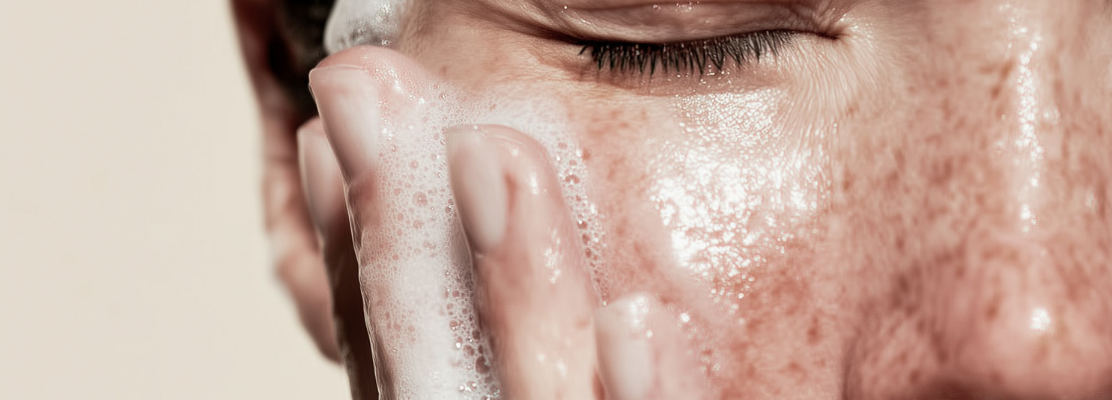
Wash your face morning and night every day and after sweating, but don’t over wash it. Depending on your skin, washing once a day in the evening may be enough. Over-washing can dry out your skin. If your skin feels tight or dry right after you’ve washed your face, it could be a sign that you’re washing it too often or using the wrong product. Choose gentle, fragrance-free cleansers that are designed for the face.
Consider washing your body every other day and only using soap on key areas like groin, underarms, and feet. Limit bathing sessions to 5 to 10 minutes and use warm (not hot) water. Even though your skin is in contact with water, long hot showers and baths can draw moisture out of your skin and wash away natural oils.
Use a moisturizer

When you get out of the bath or shower, gently pat your skin dry and apply moisturizer and other products right away. This is the most effective time for your skin to absorb moisture and seal it in. You can duplicate this effect at other times by applying a thermal water spray before your other products.
Apply any medicated products or sunscreen to the skin first, directly onto clean skin; then apply a moisturizer. This ensures that active ingredients are properly absorbed and not blocked or diluted by the moisturizer.
Consider using a thicker moisturizer during cold weather, if your skin type can tolerate it. Creams, ointments, and oils are generally more moisturizing than lotions, as they form a protective barrier that helps prevent moisture loss.
The Canadian Dermatology Association recommends using moisturizers that contain ingredients such as lactic acid, urea, hyaluronic acid, dimethicone, glycerin, lanolin, mineral oil, petrolatum, or natural oils (e.g., sunflower seed oil or virgin coconut oil). However, for some people, these heavier products can increase the risk of acne breakouts or fungal infections. For help choosing skin care products that are suitable for your skin type, speak with a London Drugs pharmacist or beauty advisor.
Additional tips

- Drink plenty of water to keep your body hydrated from the inside out.
- Protect skin from cold and wind with a hat, scarf, and gloves.
- Use gentle, fragrance-free soaps and cleansers for skin and laundry products.
- Wear latex-free gloves for wet work or chemical exposure.
- Moisturize hands after every hand wash.
- Choose clothing with non-irritating fabrics made from natural fibers such as cotton or silk.
- Consider using a humidifier to restore moisture in the air that is lost due to indoor heating.
Is it eczema?

Eczema, also known as atopic dermatitis, is a very common chronic condition that causes itchy, red, dry, or inflamed skin. People who have this condition have patches of very dry or cracked skin on their body that can be extremely itchy, especially at night. Commonly affected areas include the face, neck, inside of the elbows, behind the knees, and on the hands and feet.
Eczema is not contagious. Its cause may be linked to genetic factors (such as family history) or to environmental triggers like weather changes, stress, allergies, or contact with irritants.
Most cases of eczema can be managed with a routine of moisturizing consistently and using medications during flareups. Creams or ointments containing hydrocortisone or betamethasone are commonly applied to the skin to reduce inflammation. Antihistamines or allergy medications may help relieve itching. For severe cases, prescription medications can be used to suppress an overactive immune response and prevent flare-ups.
Expert advice

Speak to your doctor or pharmacist if you have persistent or long-standing dry skin. They can assess whether it may be due to your environment, a side effect from a medication, eczema, or another skin condition and recommend treatments.
In most provinces, pharmacists are now authorized to prescribe medications and treatments for eczema and can offer advice to manage your symptoms.
To learn more about pharmacist prescribing services in your province, visit londondrugs.com/prescribing or speak with a London Drugs pharmacist at any time.