Seasonal Allergy Relief: How to Reduce Stuffy Noses, Itchy Eyes & Spring Symptoms

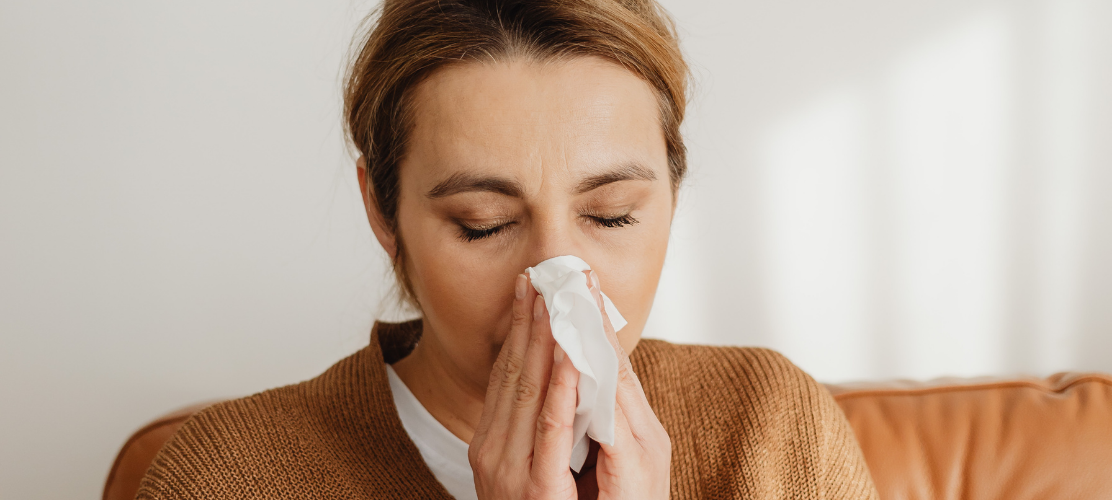
Person sitting indoors holding a tissue near the nose, suggesting nasal congestion or allergy symptoms.

Let’s talk allergies

What is an allergy exactly?

It’s a reaction that occurs when our immune system overreacts to something that isn’t usually harmful and causes unpleasant symptoms. There are different types of allergies, including food allergies, allergies to certain medicines, and allergies that affect the nasal passages and eyes. According to the Canadian Allergy, Asthma, and Immunology Foundation, about 20% to 25% of the Canadian population has allergic rhinitis (also known as hay fever). Allergies can happen any time of the year, but airborne allergies are most common in the spring and summer when we spend more time outdoors, and there are more allergy triggers floating in the air for us to breathe in.

Rhinitis is an inflammation (swelling) of the lining of the nose. Not all rhinitis is caused by allergies, but someone with allergic rhinitis could be reacting to exposure to allergens (substances that trigger allergy symptoms) such as grass or tree pollen, ragweed, animal dander, dust mites, or mould spores. Common symptoms include an itchy nose and throat, runny or stuffy nose, sneezing, ear blockage, and sometimes watery, red, itchy eyes.

A Holistic Approach

The best way to prevent and treat airborne allergies like pollen or mould is to develop a holistic plan that includes both medications and lifestyle modifications. Don’t wait until you have symptoms to start making your plan. Start by having a consultation with your London Drugs pharmacist, who can work with you to create a plan that will help you manage your allergies and enable you to enjoy being outdoors.

Step one of your plan should be to try to identify the substances that trigger your allergy symptoms. If you cannot figure out what is causing your symptoms or if your symptoms are severe, your doctor can refer you to an allergy specialist for testing.

Step two is to determine which treatments would work best for you.  Your pharmacist can help you understand what medications are available, how they work, and how to use them to get the best results.

Allergy Prevention

If your allergy is to pollen, try to limit your time outdoors when pollen counts are highest, usually between 7 a.m. and 1 p.m., and on dry, windy days. When you go inside after being outdoors, shower and change your clothes immediately to wash off the pollen that might be sticking to your skin, your hair, or your clothes. After laundering your clothes, do not hang them on an outdoor line to dry, because this will allow pollen to cling to the fabric.

Clean your home frequently and do not leave windows and doors open, as this allows pollen and other allergens to enter your home, where they can collect on carpets and furniture, exposing you to them for longer periods. Use an air conditioner and be sure to change the filter regularly and maintain it properly.

If you are allergic to indoor moulds or mildew, regularly clean surfaces where moisture collects, such as window frames, bathrooms, and bedroom corners, and keep your home’s humidity below 50%. A dehumidifier can help control moisture, limit mould and mildew growth, and reduce allergy symptoms.

Symptom Treatment

Sometimes, preventative measures are not enough to eliminate allergy symptoms. Fortunately, there are a number of medications that treat allergies in different ways. Your healthcare team can recommend products that would be best for you, but the chart below can serve as a general guide on what is available.

Antihistamines – Antihistamines block certain cells in the body from receiving histamine, a chemical released by the immune system that causes the symptoms of an allergic reaction.

Corticosteroids – Corticosteroid sprays, also called glucocorticoid or steroid sprays, reduce inflammation in the nasal passages to ease allergy symptoms.  When used regularly, they relieve nasal congestion and sneezing.

Leukotriene modifiers (tablets, granules) – Leukotriene modifier medications work by blocking leukotrienes – chemicals in the body that contribute to inflammation, airway narrowing, and mucus production.

Immunotherapy (tablets, injections) – Immunotherapy sublingual tablets (placed under the tongue) and allergy shots help train the immune system to become less reactive to allergens. Each dose contains a tiny amount of an allergen or mix of allergens — enough to train the immune system to recognize it, but not enough to trigger symptoms. As the dose gradually increases, the immune system becomes less reactive, and allergy symptoms improve over time.


Other ways you can help ease your discomfort from allergies include:

  • Saline nasal rinses – Using salt-water nasal spray or sinus rinse (such as a neti pot, rinse bottle, or nasal irrigation device) can help clear congestion and wash allergens out of your nasal passages.
  • Artificial tears or eye wash solutions – These can soothe dry, irritated eyes and help rinse out allergens.
  • Cool compress for the eyes – A clean, damp, cool washcloth placed over your eyes can reduce inflammation and itching.
  • Warm compress for the eyelids – A clean, damp, warm washcloth can help remove pollen from the eyelids and help soothe irritation.

LD Tip

Limiting the use of non-prescription eye drops for redness-relief is important. These products are meant for cosmetic use only, and some can cause rebound redness, where the eyes look even redder once you stop using them. Speak to a pharmacist for safer, long-term options to treat the underlying cause of your redness.


If you have any questions about seasonal allergies, allergic rhinitis, or allergic conjunctivitis (red eyes), your London Drugs pharmacists have the knowledge and experience to answer your questions and help you relieve the unpleasant symptoms. Many pharmacists can also prescribe medications to treat allergy symptoms. Ask at the pharmacy counter or visit londondrugs.com/prescribing for more information.
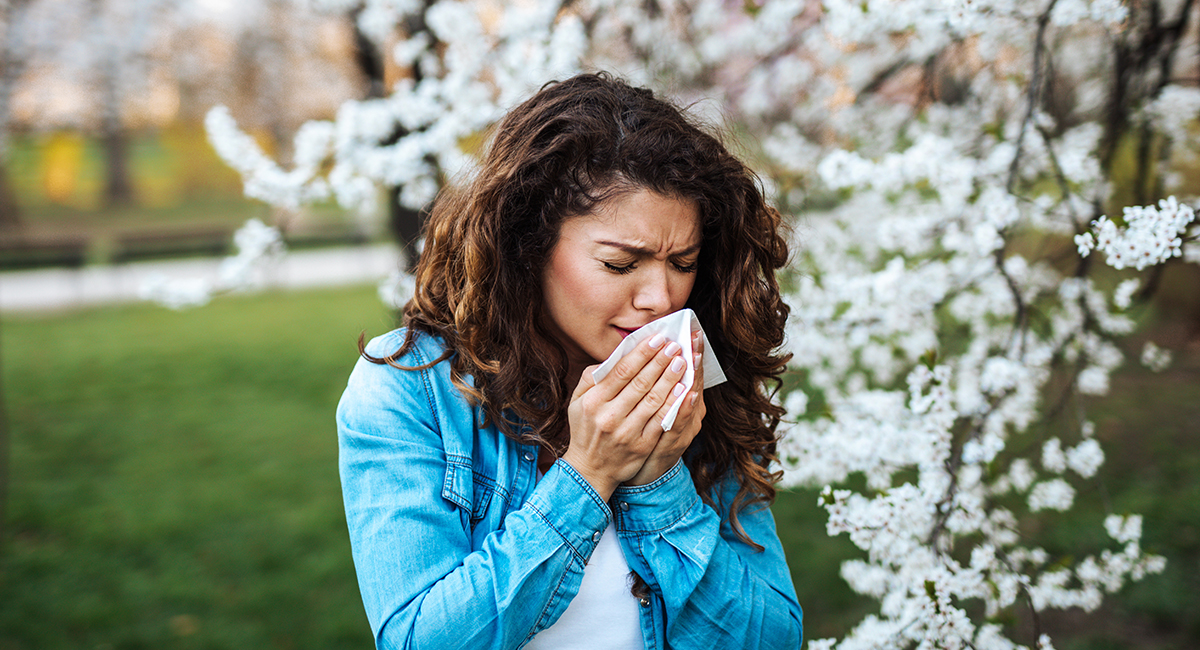
Allergies: Nothing to sneeze at


As spring brings warmer weather our way and plants begin a new year of growth, many people will find themselves experiencing the symptoms of seasonal allergies. If you are one of those allergy sufferers, you may be wondering what causes allergies and what you can do to prevent or manage the symptoms.

What causes allergies?

An allergy is a condition that has both hereditary and environmental factors. On the hereditary side, you can inherit a tendency to develop an allergy to a particular substance. On the environmental side, your body can react to substances you encounter in your home, inside other buildings, or outdoors.

Allergies occur when your immune system responds to substances (known as allergens) and triggers an allergic reaction. When your body comes into contact with an allergen, it releases chemicals such as histamine into your bloodstream. Histamine helps your body eliminate the allergens, and it is this process that causes symptoms such as itching, sneezing, watery eyes, and hives.

There are a number of allergens that trigger allergic reactions. Common ones are:

  • Animal dander comes from pets. Pets with fur or feathers can shed flecks of dead skin, and these particles can float in the air in your home and cause you to experience an allergic reaction.
  • Dust mites are tiny bugs that can collect on soft furnishings and household items such as pillows, mattresses, carpets, and children’s stuffed toys, where they can be easily breathed into your body.
  • Mould is a type of fungus that results from high humidity levels and excessive water. Mould is most commonly found in poorly ventilated bathrooms and basements.
  • Pollen is a powdery substance produced by grass, weeds, flowering shrubs, and trees. In Canada, the level of tree pollen peaks in late spring, and the grass and weed pollens peak in the summer and fall.  The amount of pollen in the air is monitored at stations across Canada, and this is reported as the pollen count. The higher the pollen count on a particular day, the more likely it is that people sensitive to pollen will have an allergic reaction. Most local TV and radio news reports provide the pollen count in their area. The Weather Network also provides information on the pollen count for some locations. To find the information for your area, search the web for The Weather Network Allergy Outlook plus your city or province.

One of the most common types of allergies is allergic rhinitis, commonly called hay fever. It affects primarily the eyes and nose when your body comes in contact with allergens. If you suffer from hay fever, you will want to pay particular attention to the pollen count in your area.

Allergy symptoms

Allergy symptoms can develop within minutes of your coming in contact with an allergen or they may develop over a few hours. Common allergy symptoms include:

  • Congestion, which may lead to headache
  • Ear popping or feeling of fullness
  • Itchy eyes, nose, and roof of the mouth
  • Postnasal drip (excess buildup of mucus that drips down the back of the throat)
  • Pressure in the nose and cheeks
  • Red, watery eyes
  • Runny nose
  • Sneezing

Other symptoms may include allergic conjunctivitis (inflammation of the tissue lining the eyelids) and sinusitis (inflammation of the air cavities within the nose).

Preventing allergies

One way to prevent seasonal allergies is to limit your exposure to pollen. Here are some tips that will help.

  • Pay attention to the pollen forecast in your area and avoid being outside for long periods of time when the pollen count is high.
  • Keep the windows in your house closed and close the windows in your car shut while you’re driving.
  • Limit the amount of time you spend outside, especially during midday and the afternoon, when pollen counts tend to be highest.
  • When you have to go outside during times when pollen counts are high, wear a pollen mask or a dust mask.
  • After you come indoors, rinse your eyes with cool water of saline eyedrops to remove any pollen that may be clinging to you.
  • Take a shower and change your clothes after working or playing outdoors.

Treating allergy symptoms

No matter how hard you work to prevent triggering an allergy, you may be one of those people who still suffers from allergy symptoms, but there are still steps you can take to reduce the discomfort. For example, you can clear a stuffy nose by flushing your sinuses, using a humidifier in your bedroom, and taking hot showers.

Your London Drugs pharmacists can recommend a variety of over-the-counter products to help relieve allergy symptoms such as a stuffy or runny nose, itchy eyes, sneezing, and pain. Common types of nonprescription allergy medicines include:

  • Antihistamines, which stop sneezing, runny noses, and itching
  • Decongestants, which help clear up a stuffy nose
  • Antihistamine/decongestant combinations, which work on most allergy symptoms
  • Decongestant eyedrops, which reduce itching and watering of the eyes

There is no reason to suffer from allergies when preventive measures and remedies are available. We can help.

Allergy Season is Here: How to Identify and Treat Your Symptoms

Budding blooms, runny noses and itchy eyes are often the tell-tale signs that allergy season has officially arrived. But with this year’s allergy season coinciding with the coronavirus pandemic, it has never been more important for seasonal allergy sufferers to be proactive about symptom management. It is also important to be aware of the difference between seasonal allergy symptoms and those caused by viral infections like the coronavirus or a cold.

Treating Seasonal Allergy Symptoms

While many people think of allergy medication as reactive, allergy sufferers should instead begin taking the medication before experiencing symptoms. Allergy medications can take a few weeks to become fully effective so by taking them proactively, you can save yourself a lot of suffering as the season intensifies.

Treating a variety of allergy symptoms can be a complex process, and it is important to choose the right medications, whether that is antihistamines, decongestants, sinus rinses, nasal sprays, eye drops or a combination. Pharmacists can help you differentiate seasonal allergy symptoms from other health issues, and determine the best treatment to target specific allergens and symptoms.

Allergen avoidance is another way to reduce seasonal allergy symptoms. Our pharmacists encourage allergy sufferers to keep windows shut and run air conditioning to recirculate air. Check daily pollen forecasts and limit outside exposure when pollen counts are at their highest. Consider using a HEPA filter at home to help reduce common allergens in the air such as mold, pollen, animal dander and dust mites.

Seasonal Allergy vs. Coronavirus Symptoms

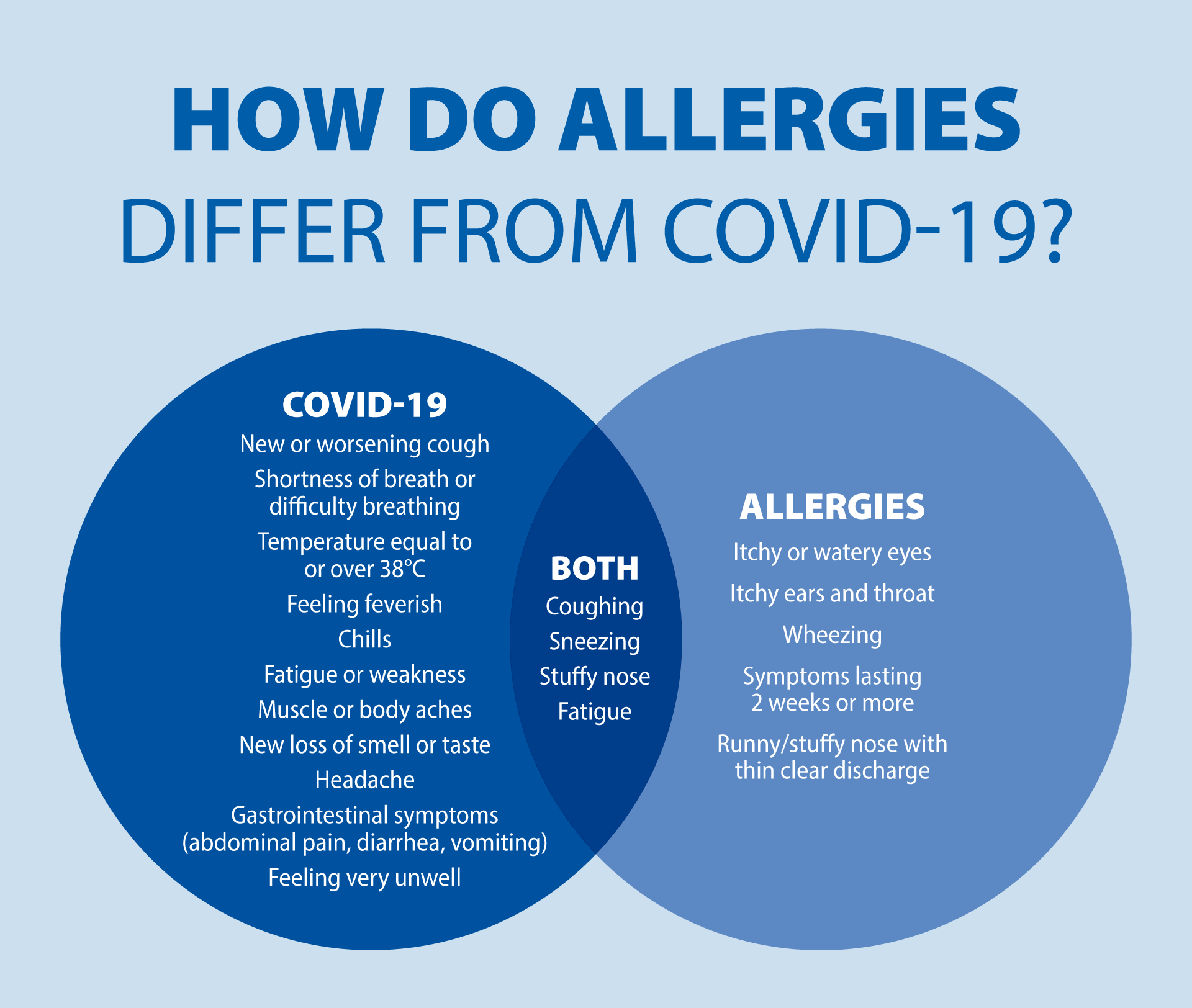
While a wide variety of symptoms have been reported in connection with coronavirus, the two most common symptoms are a high fever and a cough. Seasonal allergies do not cause fever and, unless you have pre-existing asthma, they do not cause symptoms like shortness of breath. Symptoms more common of seasonal allergies include itchy or watery eyes and sneezing.

Symptoms of COVID-19 vary significantly from person to person. Some people may experience mild symptoms, while others have more severe symptoms. If you develop symptoms of COVID-19, self- isolate immediately, avoid contact with others and get tested for COVID-19.

Seasonal Allergy vs. Cold Symptoms

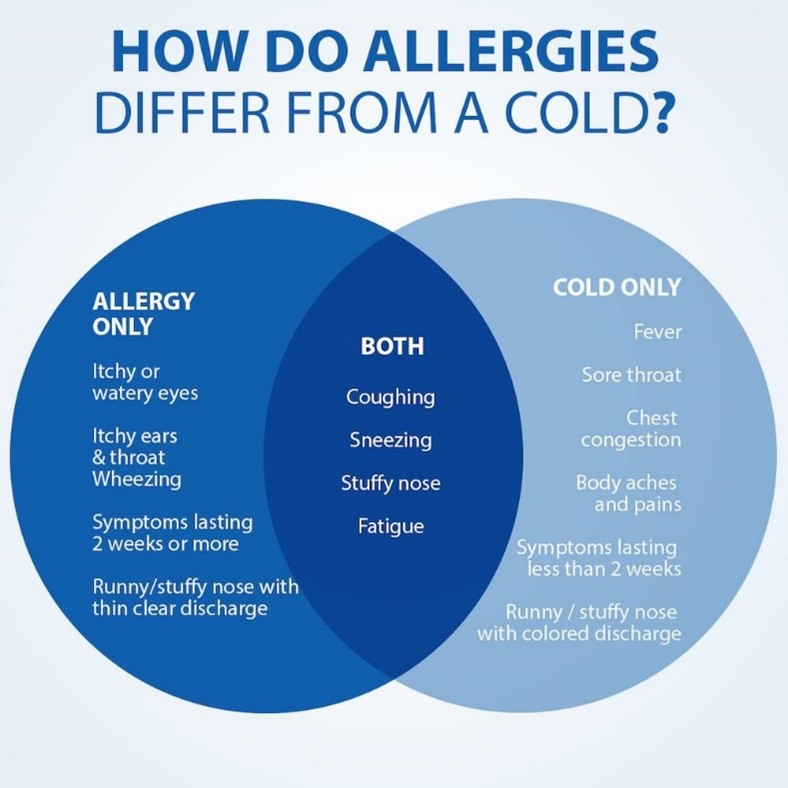
The similarities between cold symptoms and allergy symptoms can make it difficult to tell which condition to treat. While allergies and the common cold share many symptoms, those who experience seasonal allergies generally suffer from itchy, watery eyes and a runny nose. Symptoms of a cold may include aches and pains, a sore throat, and in some cases a fever and chills, which are not typical of seasonal allergies. A cold will generally only last about a week or two, whereas seasonal allergies will have much longer-lasting symptoms.

Have more questions? Visit the pharmacy at your local London Drugs, where our knowledgeable and experienced pharmacists can help answer any questions you might have about seasonal allergies and symptom management.

If you become ill and think you may have COVID-19, do not visit the pharmacy. Isolate yourself at home. You can access your province’s self-assessment tool at https://ca.thrive.health/covid19/en. Contact your healthcare provider for advice on how to relieve the symptoms.