LD Picks: The Best Articles We Read This Week

Nobody has time to read the whole Internet, so our editors have summarized the best of it for you. Read on for smart advice on personal emails, the perils of ‘parachuting,’ pancake science, and more—our favourite articles of the week.

* * *

11 Things A Massage Therapist Knows About You After An Hour

smartphone

Smartphone neck: To your massage therapist, it means you should cut down time spent online.

  1. You love big purses. Your body will be tighter on one side, since you’re likely to weight-bear on a primary leg.   A therapist will detect tight glutes, hamstrings, and quads, as well as an unnatural pelvic tilt.
    [Perhaps you’ve been packing an earthquake prep kit in that ginormous satchel?]
  2. You’re dehydrated. Haven’t drunk your recommended eight glasses of water a day? You’ll feel pain on certain trigger points in your upper back.
    [But wait—could 8 glasses a day be a myth?]
  3. You’re cold all the time. People reflexively hunch their shoulders when they’re cold. It’s common for massage therapists to see additional neck and shoulder stress in the winter months.
    [Perhaps you don’t spend long enough warming up your car. Nope, that’s impossible.]
  4. You have a desk job. It’s not for nothing they call sitting the next public health crisis. Working at a computer weakens the lower back, puts your hips out of alignment, and leads to tight glutes and legs.
    [Forget good posture—this is way more important at work.]
  5. You sleep on your stomach. The parachuting position puts stress on the neck, leading to abnormal tightness.
    [These 6 surprising foods help you sleep all night long—in any position.]
  6. You’re constipated. Much easier to detect than you might think. The dead giveaway is an abdomen that’s firm to the touch.
    [Not sure what to suggest… Bran Buds?]
  7. You have a long commute. Hours spent behind the wheel promotes a posture of leaning forward. You can tell a frequent driver by his hunched shoulders.
    [Apparently, the more you burp, the worse you drive, says Dr. Art Hister.]
  8. You’re hurt. Acute injuries radiate heat and inflammation. An experienced massage therapist can distinguish between chronic injuries (muscles feel tight, dehydrated) and repetitive motion injuries (tendons and muscles feel wiry, like guitar strings).
    [Pain sucks. We’ve got a host of services—from pharmacy to health library—to help you through it.]
  9. You’re on your smartphone too much. Chronic texters will find it unusually painful when a massage therapist rubs their shoulders. The cause? The downward position of your head as you look at the screen.
    [That said, we, ahem, have some excellent deals on smartphones.]
  10. You’re a runner. Hips and lower back are tight to the touch, foot arches are tense.
    [Two words: Icy Hot. Dr. Scholls. Okay, four.]
  11. Your allergies are flaring up. Hay fever got you on the ropes? Tissue around your eyes, forehead, cheeks, and jaw will feel tender and inflamed. Lymph nodes, too, in the chest, neck, and underarms.
    [We’ve got more allergy remedies than you can blast a sneeze at.]

* * *

5 Things You Should NEVER Do in the Shower

Janet Leigh, in Alfred Hitchcock's Psycho (1960).

You’ll never look at an innocent shower the same way again. (Janet Leigh, in Alfred Hitchcock’s Psycho, 1960.)

Believe it or not, your safety is on the line every time you hop in and steam up the bathroom. To avoid embarrassment, injury, or worse, the experts at Prevention say you should stay away from…

  1. Showering during an electrical storm: Think about it—water conducts electricity. If lightning hit a power line or the ground it can come up your pipes. (Even at a distance from your home, the jolt can be significant.) Activities to avoid in a thunderstorm: showers, baths, dishwashing by hand, playing hard-wired video games or computers, and talking on hard-wired phones.
  2. Using an old showerhead: Over time, potentially dangerous bacteria accrete in the nooks and crannies, providing microbes. Even worse, modern showerheads can aerosolize water particles, allowing bad bacteria deep into your airways. Use a rain-type showerhead or remove it altogether and go with a single stream of water.
  3. Showering without a mat: In North America in 2011, more than 250,000 accidental injuries occurred in the bathroom or shower—20 percent due to slipping. Put non-slip strips or a mat in your tub and consider adding grab bars inside and outside the shower to reduce falls.
  4. Overusing your loofah: They’re great for removing off dead skin, but loofahs can become loaded with germs. Wash yours once a week. Either soak it in diluted vinegar, or run it through the dishwasher.
  5. Showering before bed: An evening shower is a delightful thing, but don’t hop in within two hours of bedtime. The temperature change messes with your body’s natural triggers for restful sleep.

[More at Prevention]

* * *

The Science Behind Making the Perfect Pancake

pancake

Impress your family with a nugget of trivia: That delicious pancake aroma comes from a reaction named for the French chemist Louis-Camille Maillard.

Everyone loves pancakes. But it takes more than luck to work out how much batter you need or how to ensure the perfect flip. Here’s a great recipe, along with secret scientific underpinnings that contribute to perfect pancakes. Good luck!

THE RECIPE

  • 1-1/2 cups all-purpose flour
  • 1 tbsp baking powder
  • 1 pinch of salt
  • 1 tsp sugar
  • 2 large eggs, beaten
  • 2 tbsp butter, melted and cooled
  • 1-1/3 cups milk
  • butter for frying

THE SCIENCE

  1. Cooking is chemistry: Flour supplies protein and starch, both of which make simple sugar molecules join in chains. Much of flour’s protein comes from gluten. When you mix flour with milk and eggs, its gluten molecules get more flexible and can bind. The mixing causes carbon dioxide gas from the air to be trapped within these networks, which causes the pancake to rise.
  2. If you want thick pancakes, use a raising agent: This produces the carbon dioxide. Use baking soda or baking powder, or a mixture of sodium bicarbonate with a weak acid, like cream of tartar.
  3. Let batter stand for at least 30 minutes: Three hours is better. Why? You want to beat the mixture hard, to form the gluten—but allow the starches time to swell. With insufficient time, the pancake structure will be weak and full of air bubbles.
  4. Go easy with the batter: Rookie cooks always use too much.
  5. Use moderate heat: The pan should be hot enough for the pancake to brown in less than a minute, but not so hot that the batter sets when you put it on the pan. The pan matters, too. The best are heavy and flat, and hold heat well.
  6. The colour and flavour come from “browning off”: This process—a chemical reaction known as the Maillard reaction—is caused by hot sugars reacting with amino-acids, generating a wide range of small molecules that escape from the mixture and carry their wonderful smells to your nose.

Happy pancaking!

[More at Time Science]

* * *

How to Write Emails If You Want People to Actually Respond

imrs-1

The sweet spot of email writing. (Image courtesy of Boomerang.)

Having trouble getting people to reply to your emails? The solution, say the experts behind a popular Gmail plugin, is to write as if you’re 9 years old. Short, declarative sentences carry the day. But beware: Excessive simplicity and complexity both diminish your chances of a reply. Messages written at a kindergarten reading level get replies 46 percent of the time; those written at a university level, 39 percent.

Here’s a full list of Boomerang’s email tips:

  1. Use short sentences with simpler words. A 3rd grade reading level works best.
  2. Include one to three questions in your email.
  3. Make sure you include a subject line! Aim for 3-4 words.
  4. Use a slightly positive or slightly negative tone. Both outperform a completely neutral tone.
  5. Take a stand! Opinionated messages see higher response rates than objective ones.
  6. Write enough, but not too much. Try to keep messages between 50-125 words.

[More at The Washington Post]

* * *
LD Picks: 5 Kitchen Cleaning Tips You Need for Spring

In a busy household, something always needs cleaning. Everyone wants to avoid scrubbing, but sometimes it seems there’s no other way. Luckily, we’ve gathered some of the cleverest kitchen cleaning tips we’ve found on the web – most of them scrub-free. You’re welcome.

* * *

How to clean your panini grill

spring cleaning tips and tricks

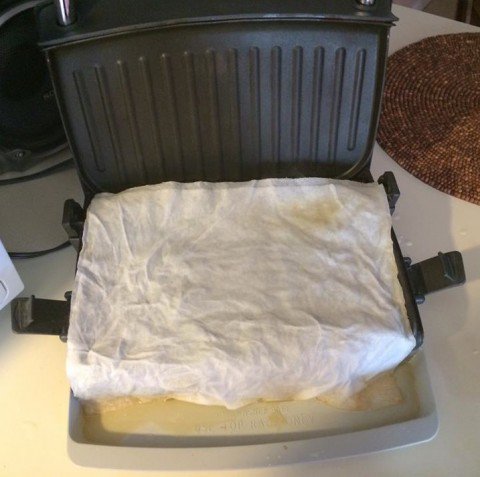
Photo via The Fun Times Guide

Both Panini grills and George Foreman grills offer a fun and easy way to take your favourite sandwiches to the next level. Even if the plates are removable or non-stick, grime can build up on them. The trick to keeping your grill shiny isn’t about manual labour – it’s about letting time do its work.

Once your food is cooked, immediately unplug the grill and let it cool for a few minutes. Place a few damp paper towels on the cooking surface and close the lid. The grill’s heat will steam the mess, and by the time you’re done eating, it’ll be a cinch to clean! If you have removable plates, give them a quick wipe in the sink. Give fixed ones a wipe with a wet sponge, then dry them with a dish towel.

[More at The Fun Times Guide]

* * *

Transform your stove burners

spring cleaning tips and tricks

Photo via The V Spot

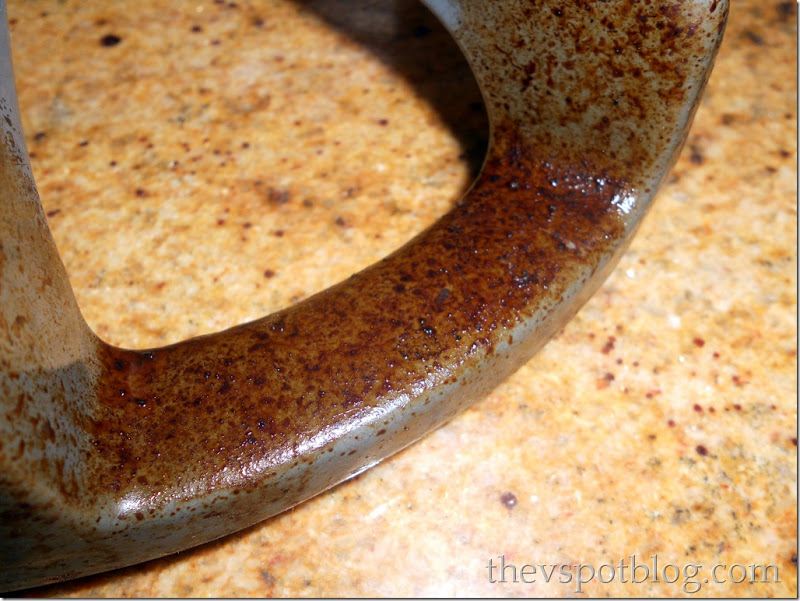
Grease marks on a stovetop can be frustrating and embarrassing. For renters, in particular, the burner grates can be a major source of kitchen shame. Unfortunately, grease stains are nearly impossible to avoid. Fortunately, there’s a way to clean them up that requires very little elbow grease (pun intended). You just need two ingredients.

Ingredients:

  1. Ammonia
  2. Large Ziploc bags

Place your burner grates in the plastic bag and add a small amount of ammonia to the Ziploc, sealing it tightly. Remember, it’s the fumes that do the cleaning, so be sure not to immerse them in liquid. Zip on over to The V Spot for full instructions, and never combine ammonia with any other substances.

[More at The V Spot]

* * *

Get a crisp and clean stovetop

Photo via Practically Functional

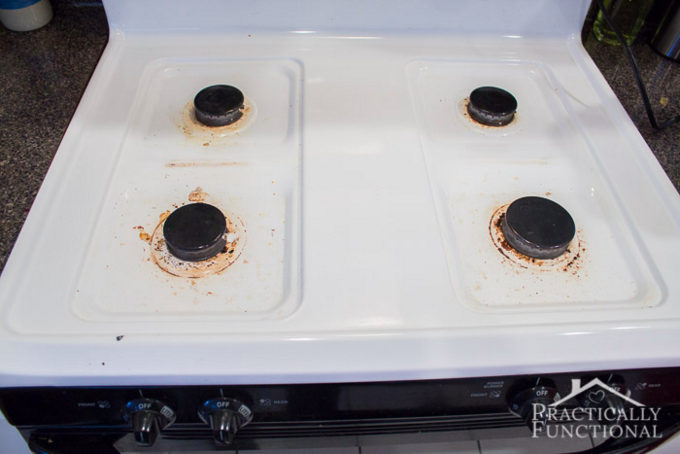
First, wipe away all the loose food and gunk that’s accumulated with a damp cloth. (While you’re at it, try the technique listed above for cleaning the grates themselves.) Then, when you’re left with just the really stubborn grease and oil that caked onto the surface, try this mixture.

  1. Baking soda
  2. Hydrogen peroxide

Mix the two into a runny paste, then apply it to the problem spots. Give them a scrub with a Viva Vantage towel—its cloth-like texture makes it great for heavy cleanups. For really stubborn spots, let the paste sit for ten minutes before scrubbing. Repeat as needed.

[More at Practically Functional]

* * *

Get sparkling cookie sheets once more!

london drugs homecleaning tips one good thing

Photo via One Good Thing by Jillee

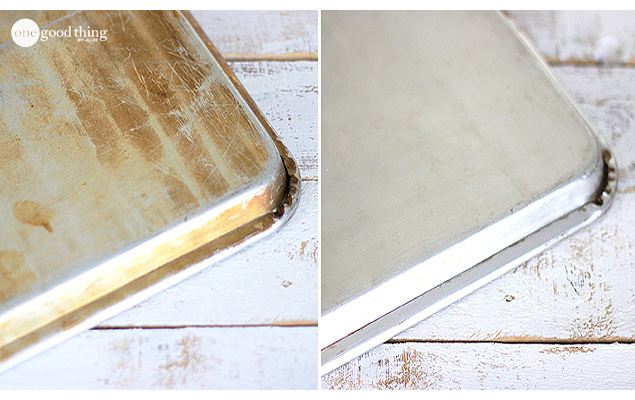
Over time, cookie sheets tend to get grimy. It’s easy to accept it as wear and tear, or adapt by lining them with parchment paper or tin foil. If you’re patient, however, there’s a great way to get them clean with minimal scrubbing!

Ingredients:

  1. Hydrogen peroxide
  2. Baking soda
  3. Time

Cover the surface of the baking sheet with baking soda, add hydrogen peroxide, and another sprinkle of baking soda. Then, walk away. Hours later, you’ll see that the formula soaked up the grease marks. Pretty great, right?

[More at One Good Thing by Jillee]

* * *

Clean & deodorize your wooden cutting boards

Photo via All Kinds of Yumm

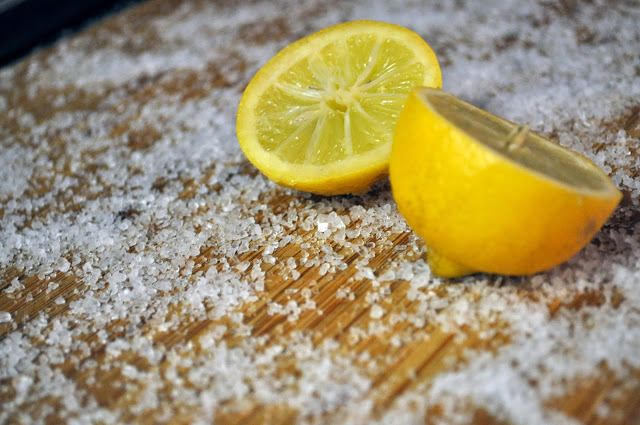
Take a close look at your wooden cutting board. Does it look dry and sad? Does it smell like last week’s stir-fry? Here’s a totally non-toxic way of sprucing up the cutting board! You need only two things.

  1. A lemon, halved
  2. Coarse salt

Start by rubbing a lemon half all over the surface. When it’s damp, sprinkle a generous portion of salt across the board and let sit for 10-15 minutes. Then, rub the salt into the board using that same lemon. (If you need more liquid, give the other half a squeeze.) When all the salt is dissolved, rinse the board, and repeat on the other side, if necessary. When you’re done, wipe a little oil onto the cutting board to seal it.

[More at All Kinds of Yumm]

* * *

What are your favourite cleaning tricks? Tell us on Twitter or Facebook!

Book of the Month – March

book_of_the_month_2016_blog

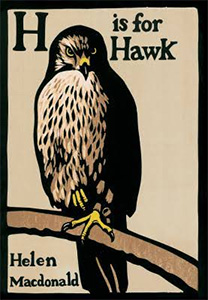
H-is-for-HawkH is for Hawk by Helen Macdonald
As a child Helen Macdonald was determined to become a falconer. She learned the arcane terminology and read all the classic books, including T.H.White’s tortured masterpiece, The Goshawk, which describes White’s struggle to train a hawk as a spiritual contest.
When her father dies and she is knocked sideways by grief, she becomes obsessed with the idea of training her own goshawk. She buys Mabel for £800 on a Scottish quayside and takes her home to Cambridge. Then she fills the freezer with hawk food and unplugs the phone, ready to embark on the long, strange business of trying to train this wildest of animals.
‘To train a hawk you must watch it like a hawk, and so gain the ability to predict what it will do next. Eventually you don’t see the hawk’s body language at all. You seem to feel what it feels. The hawk’s apprehension becomes your own. As the days passed and I put myself in the hawk’s wild mind to tame her, my humanity was burning away.’

Book of the Month
Every month we will be featuring a new book to be showcased in our Book of the Month. Staff members and friends will be reading the book and posting their reviews. We’d love to hear what you thought of these books as well. Post your comments and let us know.

H is for Hawk is available at London Drugs along with many other great titles and is on sale for the month of March.

Easy Waterfall Braid with the Conair Quick Twist

Not everyone is an expert at braiding, so if you’re one of those people, you’re going to need a little extra help to master the trendy waterfall braid. Luckily, the InfinitiPro by Conair Quick Twist makes it super easy to create all kinds of braided looks, and our Beauty Advisor Julie shows us how to use it to style your very own waterfall braid.

Products featured:


Subscribe to London Drugs on Youtube and stay tuned for more beauty videos!

The 12 Best and Worst Foods to Eat When You’re Sick

Cold and flu season is upon us again. Need help finding the foods and drinks that’ll speed your recovery and get you back on your feet? We take care of that.

* * *

The 5 Best Foods For Fighting a Cold

popsicles

Popsicles help you take in fluids—important—and help numb down a sore throat.

Doing battle with a cold means taking in plenty of fluids and as many phlegm-fighting foods as you can. Here are some of the best choices.

  1. Popsicles  The name of the game is hydration. While you’re usually better to eat your fruit than drink it, popsicles provide convenient relief  when you’re sore and congested. Buy the ones made from 100-percent whole fruit—or, better yet, make your own.
  2. Broth-based soups At Vancouver’s popular Solly’s Deli, chicken soup’s nom de guerre is “Jewish penicillin.” Small wonder: Chicken contains an amino acid called cysteine, which thins mucus in the lungs. And hot broth fights throat inflammation and keeps nasal passages moist.
  3. Citrus fruits While vitamin C isn’t a magic bullet, it aids in reducing the length and strength of colds. An added benefit: lemons and limes, oranges and grapefruits contain flavonoids, which improve immune system function.
  4. Hot tea Take advantage of the natural anti-bacterial properties of tea. We’re fond of a green tea or hot water with  lemon—besides soothing the throat, they keep you hydrated when you’re down for the count.
  5. Spicy foods Hot foods can make our noses run and our eyes water, which is why they’re effective decongestants. Eating chili peppers, wasabi, and horseradish—not all at once!—can light a fire under the body’s natural clearing-out process.

* * *

The 3 Best Foods For a Stomach Flu

bananas

Bland and dense with nutrients, bananas are a boon to the sick.

  1. Bananas Sweating, vomiting, or diarrhea visit the stricken, and all deplete your stores of potassium. Bananas replace it. They’re easy to digest, and replenish lost electrolytes.
  2. Ginger Ginger is a great help in preventing and soothing nausea. Ginger tea or ginger ale—served flat to avoid bubble trouble (i.e., carbonation discomfort)—will keep you hydrated and on an even keel.
  3. Dry toast, crackers Plain, unsalted, or lightly salted crackers and toast are simple, bland foods that go easy on the stomach, promoting digestion and recovery when a flu has you in its grips.

* * *

The 4 Worst Foods for a Stomach Flu

pickled-jalapenos

Pickled jalapenos—yikes. Avoid the acid and spice until you’re feeling better..

  1. Acidic & spicy foods While spicy foods are great decongestants, they can be hard on the stomach. Same goes for fruit from the citrus family, which can irritate sensitive stomachs. See “bananas,” above.
  2. Sweet snacks Sugary foods can suppress the immune system and cause inflammation. Though it’s tempting to treat yourself when you’re feeling low, leave the milkshake or chocolate sundae until you’re feeling better.
  3. Fatty foods Don’t make your gut do double duty. Forgo the burgers and fries in favour of foods that are easier to digest, like simple carbohydrates and proteins.
  4. Dairy products Whether dairy causes greater congestion or simply mimics the sensation is open to debate. Perhaps, though, the point is moot. If the feeling thicker mucus bothers you, it can’t hurt to avoid milk products while you’re sick.

* * *

Meet Johnny Reid at London Drugs in Calgary!

Johnny Reid Adds Stop at London Drugs to his “What Love Is All About” Canadian Tour

Johnny Reid is showing London Drugs customers what love is all about. The chart-topping, multi-platinum selling artist has added an autograph signing stop at London Drugs Brentwood Village Shopping Center to his national tour.

  • Date: Saturday February 27
  • Time: 1:00 pm – 2:30 pm
  • Location: London Drugs – Brentwood Village Shopping Center
    (3630 Brentwood Rd NW, Calgary)
  • Details: The first 300 people in line will receive a wrist band to meet Johnny Reid. Limit one autograph per person.

Widely known for his energetic stage performances and talent for finding the grandeur in the highs and lows of everyday life, Reid’s latest album, What Love is All About (now available at London Drugs) has received a JUNO Nomination for Adult Contemporary Album of the Year. The first single on the album, A Picture of You, has earned 28 Canadian Country Music Association Awards and four Juno Awards.

Reid has performances in Calgary at the Southern Alberta Jubilee Auditorium starting February 25th. Watch him live from the Jubilee anytime by purchasing Johnny Reid: Live at the Jubilee on Blu-ray and DVD at London Drugs.

READ MORE

What’s new in taxes for 2015

turbo-tax-taxes-2015

By Jennifer Gorman, TurboTax. Originally posted to the TurboTax Blog

Over the past few months numerous changes to the current tax system have been announced. Although most new laws announced in December by the Federal Government do not affect this year’s filings, there are a few previously announced changes that apply to tax year 2015.

Child Care Maximums Raised

For tax year 2015, the cap on child care deductions has been raised. For each child who is eligible for the Disability Tax Credit, the deduction limit is now $11,000. The child care deduction limit for a child who is under seven years of age at the end of the year is now $8,000. Parents of children born between 1999 and 2008 can now claim up to $5,000 in childcare expenses.

Refundable Children’s Fitness Credit

Tax year 2014 saw the doubling of the Children’s Fitness Credit from $500 to $1000. For 2015 returns, eligible children’s fitness fees are now refundable up to $1000. The deduction has moved from the non-refundable credits schedule 1 to the T1 General refund/balance owing section. This is great news for parents, especially those who may have previously not seen the tax benefit from such expenses. Individuals who have enough deductions to bring their tax owing to zero will now receive a refund of their children’s fitness fees. In past years, if your tax owing was zero, the credit was wasted.

Enhanced Universal Child Care Benefit

The initial change to the UCCB came last July when all parents with children under 18 began receiving monthly benefits. Part two of the enhanced UCCB program will be seen on your tax return. In previous years, a non-refundable credit named the “amount for children” was granted to parents. The credit was worth $2,255 per child under 18. That credit is no longer available.

Lifetime Capital Gains Exemption on QFFP

For qualified farm or fishing properties (QFFP) disposed of after April 20, 2015, the lifetime capital gains exemption has risen from $813,600 to $1,000,000. Because capital gains are taxed at a 50% rate, this translates to a bottom line difference of $93,200 for claiming lifetime capital gains on QFFP only. Qualified small business shares not related to farming or fishing remain unchanged.

Small Business Job Credit

Employment Insurance premiums are paid by both employers and employees. If you are the owner of a small business and have employees, you may see a refund of a portion of the Employment Insurance premiums you pay as an employer. The Small Business Job Credit applies to small businesses whose employer share of EI premiums is less than $15,000 annually. It translates to 39 cents per $100 of insurable earnings. There’s no application for the credit; CRA will do the math for you based upon the T4’s submitted for your employees. If you are entitled to a refund of EI premiums, you will automatically receive either a direct refund or the amount will be applied to any outstanding balance in your business’s payroll account.

TurboTax makes it easy for you to get your taxes done by staying up to date on all the latest tax credits and deductions, so you don’t have to. To learn more about the tax law changes that took effect on January 1, 2016 and don’t impact your 2015 taxes, click here.


About Jennifer Gorman

Jennifer is a tax expert with more than 20 years experience helping Canadians. She enjoys holding yearly seminars in her hometown in Newfoundland to teach seniors and students how to use TurboTax to prepare their own returns.

« Previous Page Next Page »